Basketball
Controversial Collision Sparks Debate Over Rivalry Ethics in NASCAR Racing
The recent NASCAR incident between Shane van Gisbergen and Austin Hill raises questions about rivalry and acceptable behavior on the track.
The Context of the Chicagoland Incident
At the recent NASCAR Cup race held at Chicagoland, a notable incident has stirred the racing community's attention. Shane van Gisbergen, an accomplished competitor, found himself at the center of controversy after colliding with Austin Hill, resulting in Hill's race-ending crash. While van Gisbergen's action may have looked like just another competitive move on the track, many are speculating whether it was a calculated act of revenge, or "payback," stemming from previous hostilities between the two drivers.
What makes this scenario compelling is the backdrop of their rivalry. Given the history of tensions — which have played out over multiple races — any engagement between them raises questions about intentions. Was this simply an instance of racing-related contact, or did van Gisbergen cross a line? Such an incident can shift perceptions not just of the racers involved, but also of the sport itself, as viewers grapple with whether this reflects the competition's spirit or a concerning trend of escalating aggression.
As we unpack the implications of this collision, it’s important to consider how incidents like these can redefine relationships among drivers. For fans and analysts alike, defining what's considered acceptable behavior on the track becomes a pattern worth monitoring. In approaching the question of whether van Gisbergen's maneuver was intentional, we're forced to confront the broader themes of rivalry and ethics in motorsport.
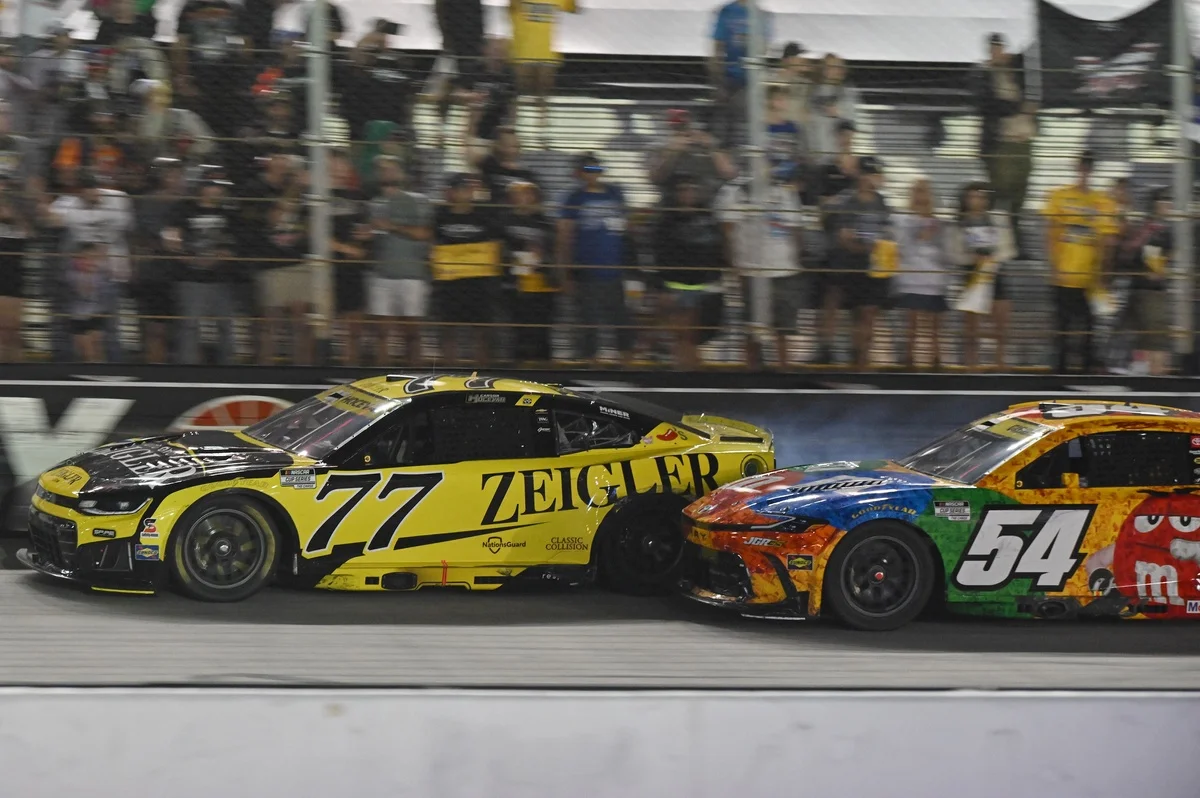
So, if you're immersed in the NASCAR world or just a casual observer, pay attention to how this episode unfolds. The reactions from both fans and officials can set precedents that affect future racing and might even prompt a reevaluation of how rivalries are managed in such a high-stakes sport.On Lap 47 of the NASCAR Cup race held at Chicagoland Speedway, chaos erupted for Austin Hill, who was attempting to fend off Shane van Gisbergen but ended up in a precarious situation. As Hill ran in 28th position, Van Gisbergen made a heavy contact with the left-rear of Hill's No. 33 Richard Childress Racing Chevy, causing Hill to spin uncontrollably into the outside wall. The aftermath? Hill was out of the race, and frustration bubbled over as he engaged in some retaliatory antics, dooring Van Gisbergen while under caution.
The incident was both explosive and telling. Hill clearly reacted instinctively to Van Gisbergen's aggressive maneuver—evidence of a past rivalry that had recently reignited. Hill's post-crash radio communications were particularly revealing. After instructing his team to "just wait," his frustration became transparent when he referred to Van Gisbergen with a crude nickname, further complicating the narrative. The RCR team quickly urged restraint, knowing that any overt commentary about payback could lead to warnings or penalties.
What’s significant here is the underlying tension between these two drivers. Hill and Van Gisbergen's history of clashes stretches back to their time in the NASCAR O'Reilly Series, and it certainly seems to be escalating. Most recently, Van Gisbergen had previously criticized Hill for two separate incidents earlier this season, even branding him a “spud” in a derisive social media post. The backdrop here is a narrative of animosity that appears poised to spill over, especially given the stakes of NASCAR's competitive environment.
Hill, speaking outside the infield care center post-race, made it clear he felt vindicated by the replay of the incident. His dismissive comment, suggesting that anyone needing an explanation should "get glasses," reflects a conviction that this wasn’t simply a racing incident. Caught off guard by the apparent lack of accountability from Van Gisbergen, Hill stated he hadn't spoken to SVG since their last clash and emphasized a fundamental disagreement in their racing philosophies.
As for the wreck itself, Hill asserted that his entry into the corner was standard, framing Van Gisbergen's actions as an unforeseen escalation. "Everyone blocks everybody's air off; that’s just racing," he noted. If there's one aspect that stands out, it’s this ongoing feud, now spilled out into the public eye, which not only dissects driver behavior but also raises questions about penalties and team strategy moving forward.
With the NASCAR circuit known for heating rivalries, this situation doesn’t appear to resolve anytime soon—if anything, it promises a narrative that could define their seasons and potentially shape the championship landscape.### Final Thoughts on the Controversy
In a sport where every lap counts, the recent incident involving Shane van Gisbergen and Austin Hill at Chicagoland has reignited the age-old debate on race ethics. It’s not just about the wreck itself; this moment encapsulates the growing tension in NASCAR, where the lines between friendly rivalry and malicious intent are increasingly blurred.
What makes this situation particularly noteworthy is the escalating scrutiny drivers face regarding their motives. No longer can they brush off accusations with a wave—the fan base is more engaged and vocal than ever, demanding transparency and accountability. If you’re involved in the racing world, you’ll want to pay attention to how this situation unfolds, as it could set precedents for how conflicts are managed moving forward. The fallout could influence not only van Gisbergen’s reputation but also Hill’s, depending on how both sides articulate their perspectives.
The question now is whether this incident will lead to stricter regulations to curb aggressive driving or if it’s simply another chapter in NASCAR’s ongoing saga of rivalry and retribution. What happens next will certainly shape the narrative for the upcoming races. For fans and stakeholders alike, one thing is clear: the stakes have never been higher.