Basketball
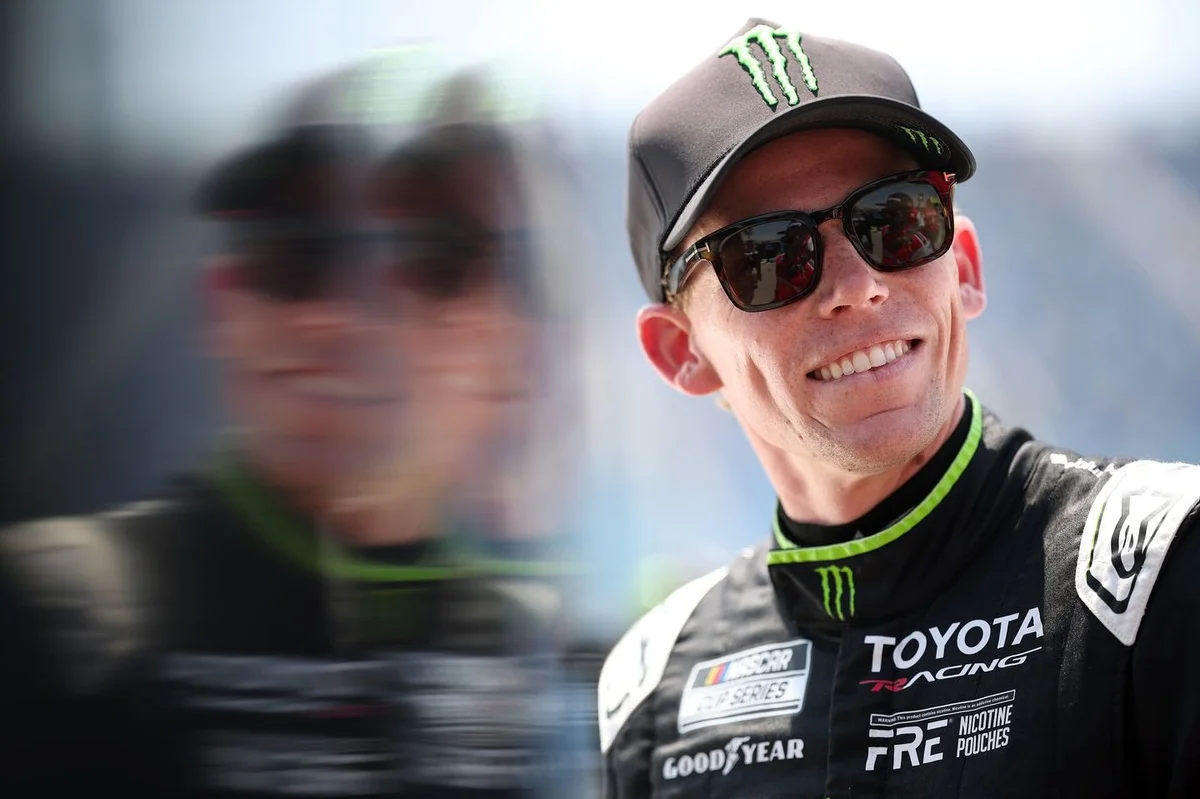
Chase Briscoe Dominates Chicagoland NASCAR Cup Race for Joe Gibbs Racing
Chase Briscoe's victory at Chicagoland marks his first win of the 2026 season, showcasing Joe Gibbs Racing's dominance with a strong 1-2-3 finish.
Chase Briscoe Triumphs in Chicagoland NASCAR Cup Race
Briscoe’s recent win at the Chicagoland NASCAR Cup isn't just another victory; it symbolizes a significant comeback for the series at one of its beloved tracks. As the cars roared to life, the excitement was palpable, particularly for Joe Gibbs Racing (JGR), which dominated the podium with a remarkable 1-2-3 finish. Briscoe, showing impressive skill and nerves of steel, managed to fend off fierce competition from teammate Christopher Bell in the final laps.
This victory marks a pivotal moment not only for Briscoe but also reinforces JGR's continued supremacy in the NASCAR Cup Series, especially in its return to a venue that fans have been eager to see back on the calendar. The race brought back memories of past legendary battles at Chicagoland, reminding us why this track holds a special place in the hearts of racing fans.
If you're following the NASCAR season closely, you'll recognize that having a team sweep the podium is no small feat. JGR's strategy and teamwork were on full display, raising questions about their potential as contenders for the championship this year. It’s evident that they’ve put in the work to prepare their drivers and cars, and the results speak for themselves. The implications of this race could resonate throughout the season as other drivers and teams analyze what went right for JGR combined with Briscoe’s exceptional performance on the track.
For fans, the return to Chicagoland and the excitement of this race brings a sense of hope; it’s clear that the energy and passion for NASCAR racing are alive and thriving. The long wait to see cars racing at this historic venue was compensated by an electrifying event, leaving spectators itching for more thrilling action.Race Summary
Chase Briscoe clinched his sixth NASCAR Cup Series victory during a thrilling return to Chicagoland Speedway, marking his first win of the 2026 season. What’s remarkable here is not just the win itself but the context—Briscoe had to fend off a fierce challenge from Christopher Bell, solidifying a strong showing for Joe Gibbs Racing with a dominant 1-2-3 finish, followed by Denny Hamlin.
Interestingly, Briscoe’s triumph landed on a day of personal significance for crew chief James Small, whose birthday provided an exhilarating backdrop to this win. This kind of coincidence often adds a layer of emotion and focus, emphasizing just how interconnected these events are.
Alongside Briscoe, Bell and Hamlin demonstrated the strength of their team, finishing second and third. It adds to the narrative that these teams are not just in the mix but are actively setting the tone for the competition. Notably, Hendrick Motorsports' William Byron and Alex Bowman came in fourth and fifth, showing a commendable level of competitiveness but falling short of the podium.
Stage Highlights
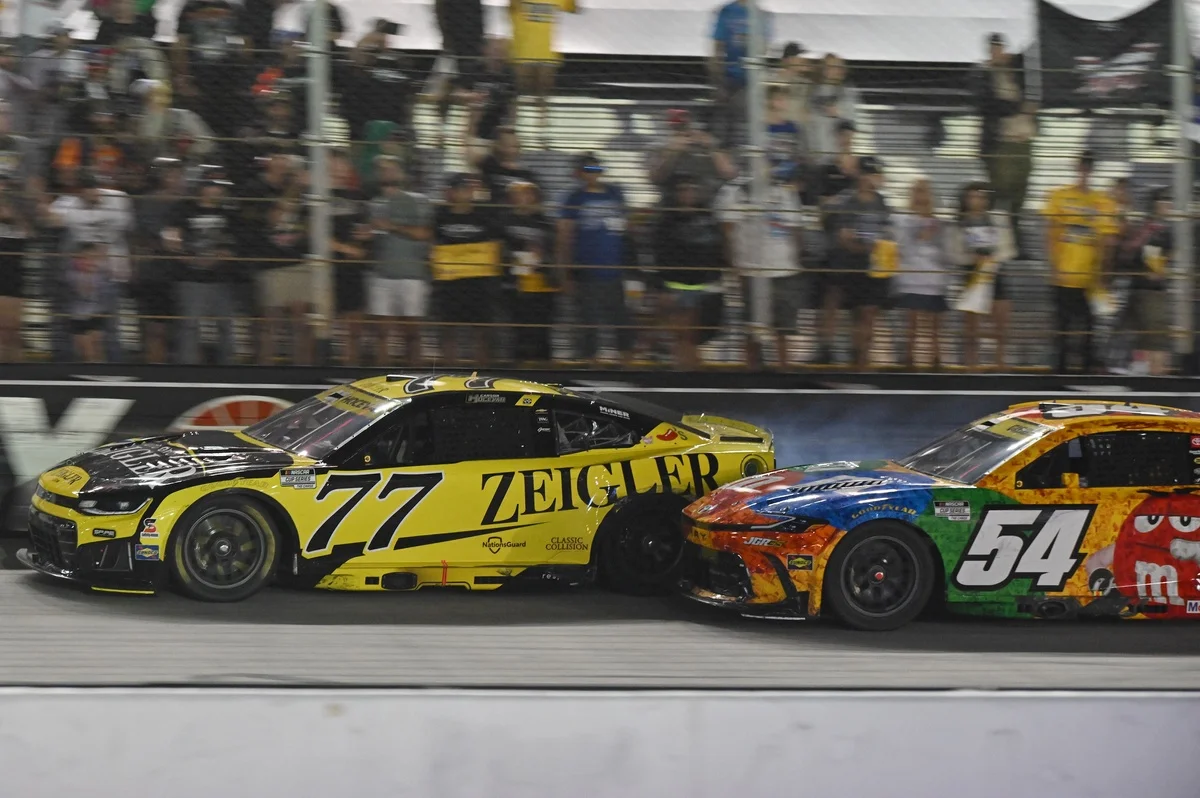
Stage 1 kicked off with fireworks—quite literally—as tensions mounted shortly after the green flag waved. John Hunter Nemechek’s early push caused Ricky Stenhouse Jr. to slam into the wall, setting off a chain reaction that left Preece struggling with flat tires, forcing him back into the race four laps down. The round of pit stops after this turmoil saw Denny Hamlin capitalize on long-run speed to seize the lead mid-stage.
The chaos peaked again further on when tensions flared among drivers like Shane Van Gisbergen and Austin Hill, whose clashes set up an intriguing subplot for the race. As for Preece, he found his way back into contention thanks to some timely wave-arounds, illustrating how strategic maneuvers can pivot a race outcome.
Moving into Stage 2, the focus shifted to tire strategies and handling adjustments, with Wallace initially overcoming competition from his fellow JGR drivers. He led up until a caution-induced debris issue forced a nail-biting moment for championship contender Tyler Reddick before the stage transitioned into smoother racing conditions.
Byron not only managed to take control but also won both Stage 1 and Stage 2, setting a formidable pace that would be hard to match.
Final Stage Climax
As day turned to dusk, the mood in the final stage was palpable. All eyes were on Byron as he led the pack, but Briscoe relentlessly pursued, even making contact with the wall in his quest to catch up. The intensity picked up as Briscoe implemented a pit strategy that allowed him to leapfrog Byron, a tactical move that would prove critical.
As the laps dwindled, Briscoe faced mounting pressure from Bell and Hamlin. The race’s climax saw Briscoe holding on through lapped traffic, where Bell aggressively chased him down but ultimately couldn't command the track position needed to overtake.
Crossing the finish line just 0.276 seconds ahead of Bell, Briscoe captured a victory steeped in both personal and competitive significance. This win wasn’t just a testament to his driving talent, but also a showcase of strategic brilliance in a nail-biting finish.Final Thoughts: The Big Picture in Racing Stats
As we sift through the data from the latest race, there’s a palpable sense of excitement that underlines the statistics. Chase Briscoe's performance, securing first place with an impressive time of 3:09'18.368, sets a competitive standard. His strong laps, particularly when you consider he completed 267 of them, highlight not just a single victory, but a broader narrative of endurance and strategy.
However, it's worth considering how the distribution of pit stops—ranging from Briscoe's 8 to his closest competitor Christopher Bell's 11—speaks volumes. Quick pit decisions can make or break a race, and it’s evident that Briscoe's strategy paid off. The minimal time difference—just over a quarter of a second—between Briscoe and Bell suggests that race days hinge on millisecond precision.
What does this mean for teams moving forward? Statistically driven strategies will be critical, especially as the margins between wins and losses continue to contract. The internal competition within teams, notably the heavyweight rivalry in Toyota's camp with both Briscoe and Bell, underscores the shifting hierarchy among manufacturers. Future races will demand that teams adjust their strategies rapidly, recalibrating not only car performance but also their approach to pit stops and tire selection.
Looking ahead, we can expect technology to play an increasingly pivotal role in strategy formulation, with data analysis becoming as integral as engine performance. Accurately predicting outcomes based on previous stats could give teams a much-needed edge. If you’re in this space, embracing a data-first mentality will be essential. The statistics from this race strengthen a clear message: precise calculations and nimble strategies are not just beneficial; they’re necessary for survival in this fiercely competitive arena.