Basketball
NASCAR Implements Key Rule Changes for Daytona Finale to Revitalize Racing Experience
NASCAR's new rule changes for the Daytona finale aim to enhance competition and re-engage fans while setting the stage for the 2026 Championship chase.
NASCAR's Latest Rule Changes: What It Means for Daytona
NASCAR has just introduced significant rule changes aimed at enhancing the racing experience, particularly for the upcoming August 29 finale at Daytona International Speedway. While these adjustments are immediate, their full impact remains to be seen. One has to wonder whether they will succeed in energizing a fanbase that’s grown a bit weary with predictability in the sport.
The modifications come at a pivotal moment, as Daytona is often regarded as the crown jewel of the NASCAR Cup Series. You’d think that with such high stakes, NASCAR would prioritize taking bold, effective steps to revitalize the competition. This isn't merely a matter of tweaking rulebooks; it's about re-engaging fans and revamping the experience for drivers as well.
For those involved in the racing circuit, these changes might seem like a necessary response to growing concerns over monotonous races that lack the excitement fans crave. It's clear that NASCAR is under pressure to adapt, but these alterations raise questions. Will the changes attract new followers while keeping longtime fans satisfied?
If you're part of the NASCAR community or a fervent spectator, pay close attention to how these new regulations unfold. They don't just represent a shift in rules; they signal a strategic pivot that could define the future of the series. Will these predictions play out, or will NASCAR's attempts to strike a balance ultimately fall short? Mark your calendars as we await the Daytona finale—it might just be a turning point in NASCAR's narrative.NASCAR's Rule Changes for Daytona
NASCAR is gearing up for a pivotal event at Daytona International Speedway on August 29, where the stakes are incredibly high. This race will establish the 16-driver grid for the 2026 Chase for the Championship, making it a battleground for drivers eyeing that crucial final playoff spot.
To enhance competition, the league has rolled out an updated rules package for this season finale. Key modifications include a reduction in engine power due to the taper spacer being cut down to 27/32", allowing the Next Gen cars to produce only 465 horsepower. This is a significant drop from the previous range of 510-520 horsepower typically seen in superspeedway races. The implications here are clear: drivers will need to adapt to a car that’s less powered but potentially more nimble on the track.
Another notable change is the introduction of a 4-inch spoiler combined with wide splitter stuffers, mirroring setups traditionally used on intermediate tracks. This adjustment aims to alter the aerodynamics of the cars, an area that has been a point of contention in past races. NASCAR anticipates that these changes could yield single-car qualifying speeds that are 2-3 mph faster, while maintaining similar drafting speeds. That said, the broader impact on race dynamics remains to be seen, especially with respect to overtaking.
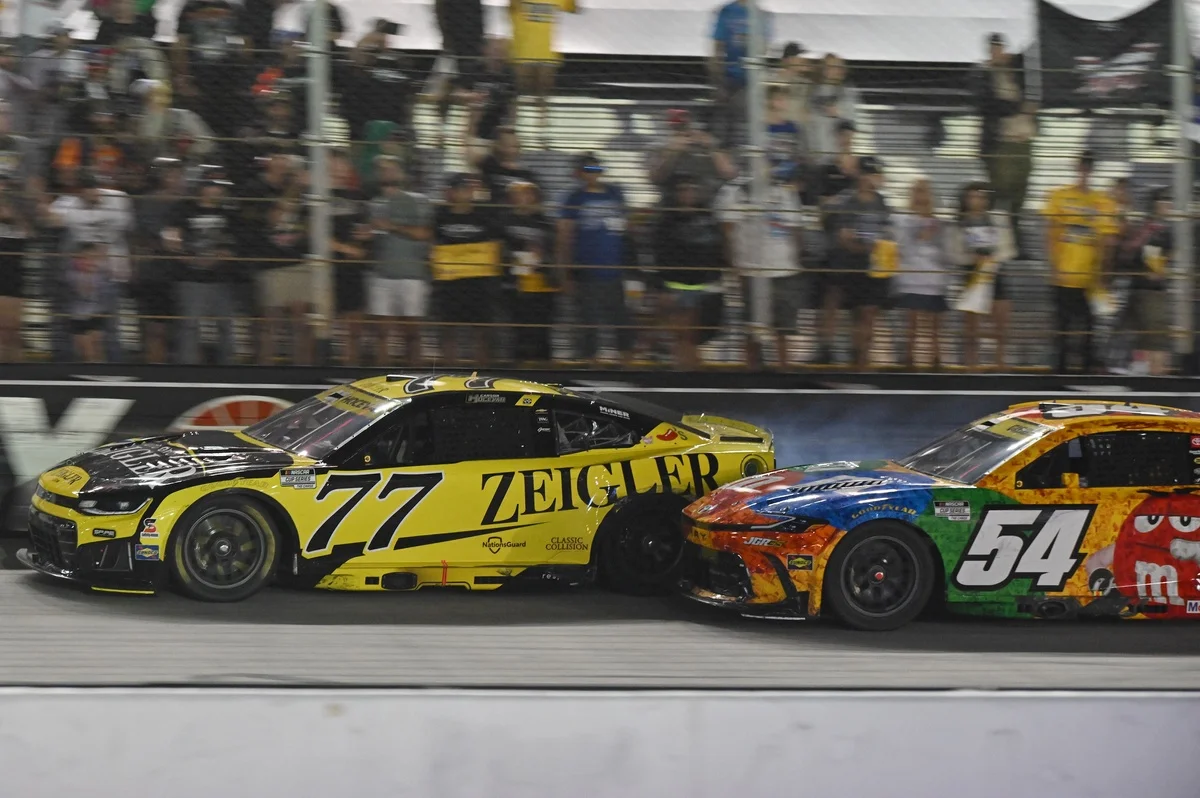
One glaring issue has been how frustratingly difficult it's been for drivers to advance during late-race drafting. The common complaint has centered around a two-by-two formation locking drivers in place. This stagnant feel has stifled the potential for wild maneuvers and multi-lane formation racing. With the new adjustments aiming at making passing easier, NASCAR is betting that these changes will promote a more dynamic racing environment.
Yet, there’s still uncertainty regarding how these tweaks will hold up in actual race conditions. NASCAR has spent time refining this new package, but whether it translates into the excitement fans crave is the big question. Also remaining untouched are critical safety features like the A-post flap, ensuring that while the racing might change, the safety of drivers remains a top priority.
What this all boils down to is a testing ground for NASCAR's latest strategies to amp up competitive action at Daytona. If you’re involved in motorsports, keeping a close watch on how these changes play out could be essential for understanding the evolving strategy behind stock car racing.Final Thoughts on NASCAR's New Racing Rules
As NASCAR rolls out its latest rules aimed at enhancing the Daytona racing experience, the implications stretch beyond a simple regulatory update. This isn't just about tweaking a few guidelines; it's a bold statement about the sport's commitment to change, responding to fan feedback and a need for more competitive racing.
Let's be clear: the adjustments NASCAR is making are thoughtful, aimed at tackling one of the most longstanding issues in motorsport—keeping races exciting from start to finish. The new rules package could genuinely revitalize how fans engage with the races. If you’re involved in the racing sector, this is a pivotal moment to take note of. Changes like these could serve as a blueprint for the future, impacting not just NASCAR, but potentially influencing other racing leagues grappling with similar challenges.
That said, the effectiveness of these changes isn't guaranteed. The racing community will be key in shaping how well these new regulations play out on the track. Observing the drivers' responses and the overall race dynamics will provide invaluable insights into whether NASCAR's ambitious plans will pay off.
In the end, the stakes are high. Fans will be watching closely to see if this package truly enhances the racing spectacle, and the broader racing community will likely be scrutinizing outcomes to either replicate or avoid similar decisions. Whatever the results, it's clear: NASCAR is pushing forward, and it could be a significant turning point that spaces out predictable race outcomes in favor of more dynamic finishes. The road ahead will be closely monitored by all involved, and it'll be interesting to see how drivers, teams, and fans adapt to these changes in the coming races.