Haas F1 Team's choice of Rafael Camara showcases a shift towards prioritizing driver's speed and skill over connections, signaling a potential change in F1 talent dynamics.
Camara's Selection: Speed Takes Precedence Over Connections
Haas F1 Team principal Ayao Komatsu recently confirmed a pivotal decision regarding the team’s future talent. Rafael Camara has been selected for a seat in the 2027 season, and what stands out in Komatsu's announcement is the emphasis on Camara's undeniable speed rather than his association with Ferrari. This choice signals a significant strategic shift that could reshape expectations for young drivers aiming for F1 seats, especially in a sport that often prioritizes established connections over raw talent.
During a recent test at the Portimao circuit, Camara's performance was described as "outstanding" by Komatsu. The team principal's remarks highlight how impressive driving can overshadow even the most influential ties in motorsport. Camara, often viewed through the lens of his Ferrari ties, is now being recognized independently for his capabilities. This is more significant than it appears; it illustrates a growing trend in Formula 1 where teams might prioritize performance metrics over traditional driver affiliations.
If you’re involved in the motorsport industry, this move could be more than just a vote of confidence for Camara; it’s a signal to upcoming drivers that speed and skill can take precedence, even in a landscape dominated by prestige and heritage. It poses an intriguing question: will we see a new generation of F1 talent emerge, driven more by merit than by their associations with legacy teams?
As the 2027 season approaches, all eyes will be on how Camara capitalizes on this opportunity. Will he continue to deliver on the promise he showed in testing? Only time will reveal whether this marks the rise of a new star or if the embedded networks of F1 will ultimately regain their usual significance in driver selections.
Driver Selection and Testing Strategy
Ayao Komatsu, the team principal at Haas, recently disclosed that Rafael Camara's selection as a new driver for the 2027 Formula 1 season was driven by his impressive speed and adaptability during testing sessions with older gear. Camara stood out in the team's evaluation process, surpassing competitors like Leonardo Fornaroli and Ryo Hirakawa, which is indicative of the rigorous standards Haas has set for its driver lineup.
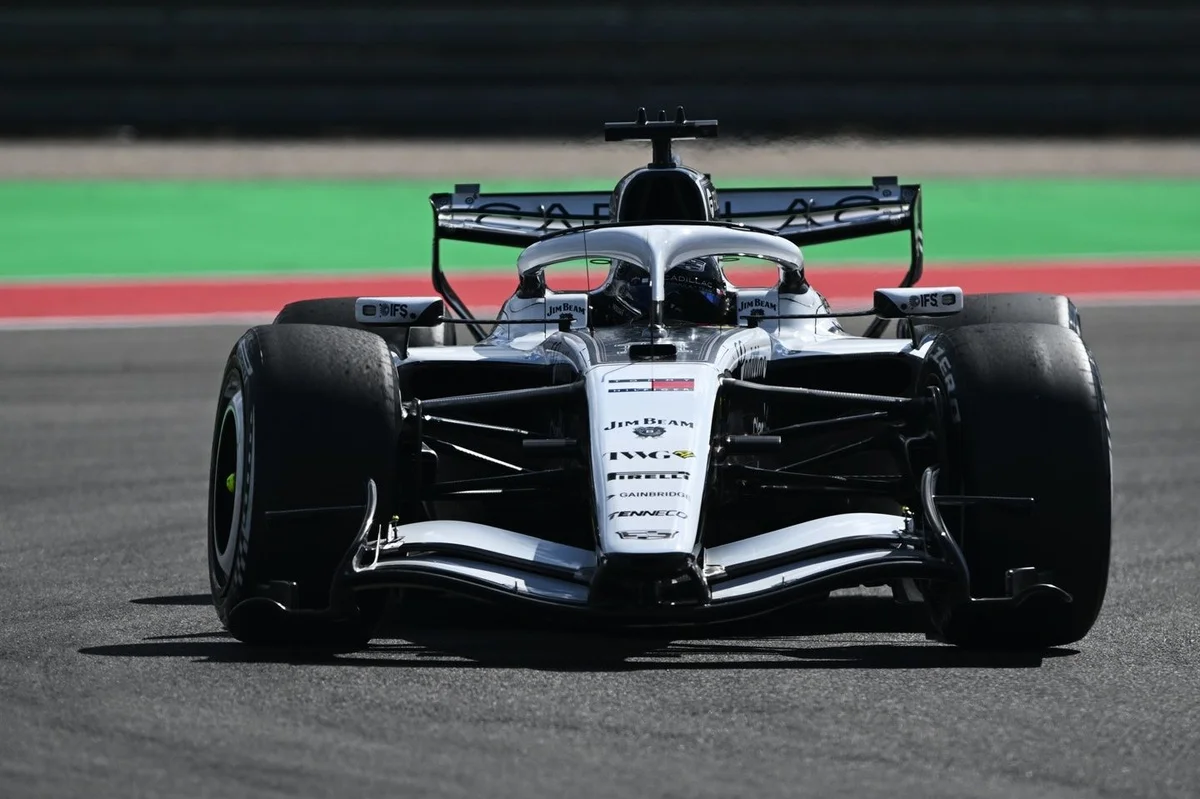
The evaluation involved a testing program featuring the 2025 car, where Camara, along with current F2 champion Fornaroli and other talents like Jack Doohan and Hirakawa, had a chance to demonstrate their skills. It was during his inaugural test session at Portimao that Camara made a significant impression on the Haas bosses. Komatsu highlighted Camara's performance as "outstanding" given the variable conditions he faced on the track.
What’s striking is Komatsu’s unwavering focus on performance as the sole criterion for selecting drivers. His earlier statements emphasized that the team would not align its driver choices with any junior team. With Camara's addition and the anticipated retention of Oliver Bearman, Haas is set to field two Ferrari junior drivers in the upcoming season. This could suggest a strategic alliance with Ferrari is paying dividends, but Komatsu insists their decision was purely based on merit. "He was the quickest, that's a very simple answer," Komatsu asserted, which reinforces the idea that speed, above all, defines a driver's worth to the team.
While it may appear that this selection aligns with Haas’ connections to Ferrari, it’s essential to understand that such partnerships foster a competitive environment where drivers must always prove themselves on the track. Komatsu pointed to Camara's remarkable potential as driving this choice: "Rafa just showed incredible speed and feel." This sentiment juxtaposes with typical concerns about younger drivers adapting to the top tier of motorsport.
Evaluating Potential and Development
Komatsu did acknowledge inherent risks associated with profiling young talent, stating that, while concerns exist, they prioritize finding individuals with intrinsic speed and instincts that can't be cultivated through conventional training methods. “That feeling… was very, very clear in Portimao testing," he remarked, pointing out how Camara navigated the demanding conditions with a professional demeanor.
However, it’s worth recognizing that speed alone doesn’t equate to overall racing success. Komatsu noted some areas for improvement, particularly Camara's consistency in race situations. Despite moments of brilliance—like effective tire management in select F2 races—he admitted that the rookie could enhance his race craft. The Haas team sees significant potential for growth and aims to leverage their experience with Bearman to refine Camara's approach.
Komatsu commented on the upcoming learning curve: “We need to understand who Rafa Camara is and what he thrives on.” This foundational understanding is critical as Haas looks to cultivate Camara’s talents in a bespoke program. Engagement with Camara's development will be vital, as his past performances in F2 are merely a precursor to the demands of F1, where precision and adaptability can make or break a driver’s career.
With Camara's potential FP1 appearances still uncertain this season, it's clear that the team is deliberate in their approach. Komatsu's emphasis on understanding Camara’s individual needs underlines the team's commitment to fostering his potential while navigating the complexities of a first season in F1.
This thoughtful recruitment strategy may very well define Haas's trajectory in the coming years, making their focus on cultivating raw talent something to watch closely.
Your Voice Matters
As we wrap up this analysis, it’s clear that audience engagement remains a vital aspect of Motorsport.com’s commitment to its readers. The site is actively inviting feedback through a brief survey, asking fans what content they want to see more of moving forward. This move not only highlights a willingness to adapt based on viewer preferences but also signifies an understanding that community input can enhance content relevance. If you're involved in content production, paying attention to audience sentiment is fundamental.
But it’s not just about collecting data to improve. There’s an underlying strategy here that speaks volumes about the future of digital content — a willingness to pivot based on user feedback. This is more significant than it looks. The ability to directly incorporate user preferences into programming could set a new standard for how platforms interact with their audiences, elevating the overall user experience.
Join the Conversation
Engagement doesn’t stop there. Readers are also encouraged to share their thoughts directly through comments, emphasizing the need for a dialogue rather than one-way communication. It’s a call to action that reflects a shift towards a more participatory media environment—where opinions are freely shared and debates thrive.
But let’s question how effective this really is. Are users genuinely inclined to share their thoughts? The numbers in engagement metrics will tell the real story. So if you're looking to foster a vibrant community around your content, encouraging discourse is a necessary step but not sufficient on its own. The execution and follow-up matter a lot—attention to reader suggestions must translate into tangible changes to truly sustain interest.
In conclusion, what we’ve seen here is just the tip of the iceberg in audience engagement strategies. As the media landscape evolves, platforms that can adapt to user needs and create two-way communication are likely to thrive. Let's keep an eye on how Motorsport.com and similar platforms evolve with their communities. After all, their success will hinge on how well they listen to, and act upon, what their audience has to say.