Lewis Hamilton's health drew attention after a tough Singapore GP, highlighting the need for enhanced driver safety amid extreme racing conditions.
Ferrari's Concern Over Hamilton's Health After Singapore GP
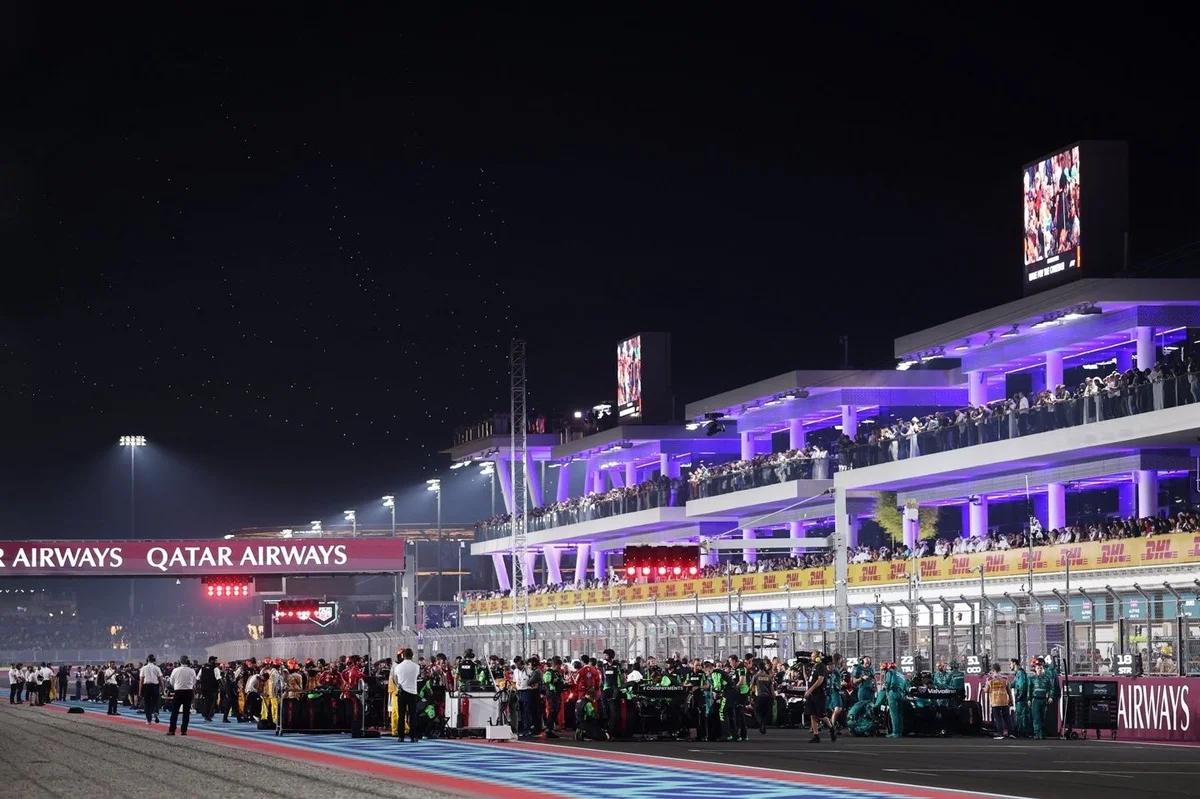
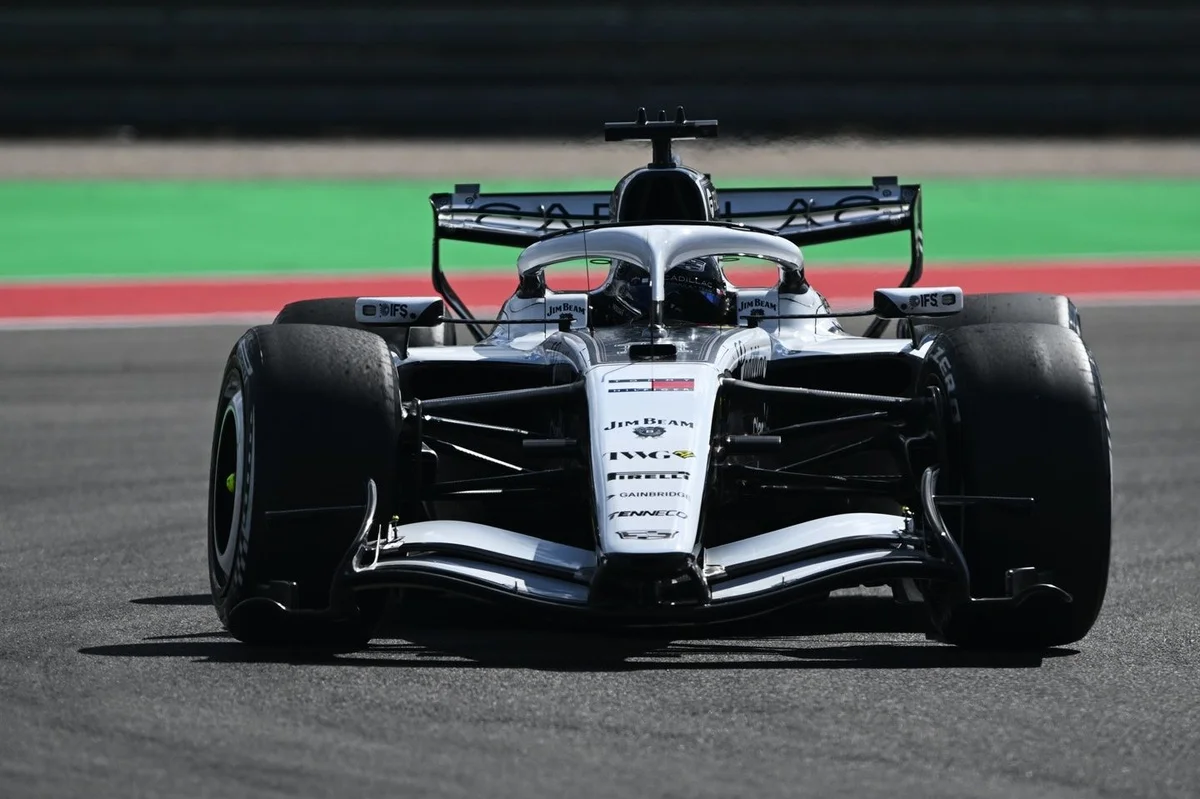
Lewis Hamilton faced a daunting challenge at the Singapore Grand Prix, battling not only his competitors but also the oppressive heat and grueling conditions of the circuit. Following an arduous 62-lap race, reports indicate concerns from Ferrari that Hamilton was feeling unwell, likely exacerbated by his use of older tires as fatigue set in. The extreme temperature in Singapore is notorious, intensifying the physical demands placed on drivers, and Hamilton's experience underscores the toll it can take.
Ferrari revealed that Hamilton required attention from the FIA medical team after the race, drawing attention to safety protocols during such physically and mentally taxing events. This incident raises an important discussion about driver welfare in elite motorsport, particularly in races held under extreme weather conditions. For those involved in the racing industry—from team management to regulatory bodies—this event ignites critical dialogue about necessary measures to ensure drivers are safeguarded against health risks on the track.
If you’re immersed in motorsport, this is a wake-up call. The demands of F1 can only increase, and it falls upon teams and governing bodies to enhance measures surrounding driver health and safety. Hamilton's incident may not just highlight his personal struggle but serve as an indicator that the sport, while thrilling, must prioritize the well-being of its athletes amidst the competitive pressures they face.
A Medical Emergency
After battling through the extreme conditions of the Marina Bay Grand Prix, Lewis Hamilton’s failure to appear at the post-race press conference raised eyebrows. A spokesperson for Ferrari later revealed that the celebrated driver had suffered health issues requiring immediate attention from track medical personnel.
According to Luke Smith of Autosport, Hamilton reported feeling unwell following the challenging 62-lap race, prompting him to seek help from the FIA medical team. The governing body, in response to Hamilton's condition, allowed him an exemption from his usual media responsibilities, a significant departure from the norm for a figure of his stature in the sport.
Further corroboration came from RacingNews365, which noted the added demands of the tight street circuit and high humidity this race presented. The physical strain on drivers is a known factor, but Hamilton’s situation marks a worrying trend, given the toll of such grueling conditions on competitor well-being.
The Impact of Strategy Errors
Worse than the physical challenges was a critical racing decision Hamilton made during the event. Ignoring an imperative pit call from his team while under the virtual safety car, he opted to stay out on significantly worn tires. This miscalculation was more than just a tactical blunder; it ultimately left him vulnerable on the track.
As his older tires deteriorated, Hamilton struggled to maintain grip. This severe lack of control enabled faster competitors to overtake him, including both McLaren drivers and Mercedes rookie Kimi Antonelli. What started as a promising podium finish devolved into a disappointing sixth place, sending a clear message about the steep cost of strategic missteps in Formula 1.
Ironically, the oppressive climate of Singapore continues to emerge as a formidable adversary for Hamilton. In a previous race, he and then-teammate George Russell faced similar post-race health issues, highlighting the exceptional demands that come with this specific venue. If you're in the team or performance analysis space, the implications of driver health on race strategy should resonate — it's a risk not to be underestimated.### Final Thoughts: What Lewis Hamilton's Hospitalization Reveals
The recent incident involving Lewis Hamilton, who was sent to the FIA medical team after the demanding Singapore Grand Prix, raises significant questions about the physical toll competitive racing takes on drivers. It's more than just a routine check; this episode serves as a stark reminder of the extreme pressures faced in Formula 1.
This isn’t merely another health scare; it speaks volumes about the escalating demands of the sport. As the races become increasingly grueling and the stakes ever higher, the wellbeing of athletes must come into sharper focus. If anything, this highlights the precarious balance between performance and health. Hamilton's situation forces us to confront an uncomfortable truth: elite athletes are often pushed to their limits, sometimes compromising their health in pursuit of victory.
What might this mean for the future of F1? Increased scrutiny would be ideal. Governing bodies need to implement policies that safeguard the physical and mental wellness of drivers. If you're a stakeholder in this space, recognizing these pressures is vital for fostering a safer environment.
As fans, sponsors, and teams process this event, it's clear the narrative in motorsport needs to shift toward prioritizing health. We can hope that Hamilton's experience is a catalyst for change, sparking discussions about race conditions and enforcing new standards that ultimately protect the wellbeing of all athletes in this high-octane arena.