Yamaha’s withdrawal puts F1’s Middle East races under scrutiny
Yamaha’s surprise decision to boycott a MotoGP event has raised a question beyond motorcycle racing: could it affect Formula 1’s planned stops in Qatar and Abu Dhabi? F1 intends to run the season’s final two Grands Prix as scheduled, but the situation is drawing attention.
That distinction matters. F1’s current plan is clear; what remains uncertain is how developments might change the picture. The series is monitoring events, including the US midterm elections. For anyone following the calendar, the races are still on — but the wider situation is being watched closely.
The key signal from MotoGP is the gap between official assurances and the willingness of people in the paddock to travel. Yamaha and its satellite team, Pramac, have decided to boycott next week’s Qatar Grand Prix. MotoGP has responded by warning of possible contractual and sporting sanctions. Alex Marquez will also miss the race, but for a different reason: he has scheduled surgery after his heavy crash at the Catalan Grand Prix in May.

A general view of the grid during the F1 Grand Prix of Qatar
Photo by: Lars Baron / LAT Images via Getty Images
That boycott makes the disagreement tangible. Riders had voiced concerns privately before Yamaha spoke publicly on Sunday, and MotoGP still says its Losail weekend, scheduled for 6–8 November, will proceed. Deputy CEO Carlos Ezpeleta travelled to Qatar on Thursday to discuss safety guarantees with local authorities. The visit signals that assurances are being sought; it doesn’t, by itself, settle whether every team considers the risks acceptable.
Formula 1 faces a similar decision three weeks later, with its Qatar race set for 27–29 November. The series told Motorsport.com that its plans remain unchanged. A message sent to teams during the Mexico Grand Prix, seen by the publication, anticipated questions prompted by Yamaha’s decision and reaffirmed that F1 intends to finish the season in Qatar and Abu Dhabi. It also said other manufacturers and MotoGP as a whole still planned to travel to Qatar.
F1 says the travel advice and insurance position have not changed since May, and sees no reason to revise its schedule now. The obvious read is that the two championships are taking the same position. The more revealing difference is that MotoGP now has a manufacturer refusing to go, while F1 is asking its teams to continue relying on the governing bodies’ assessment.
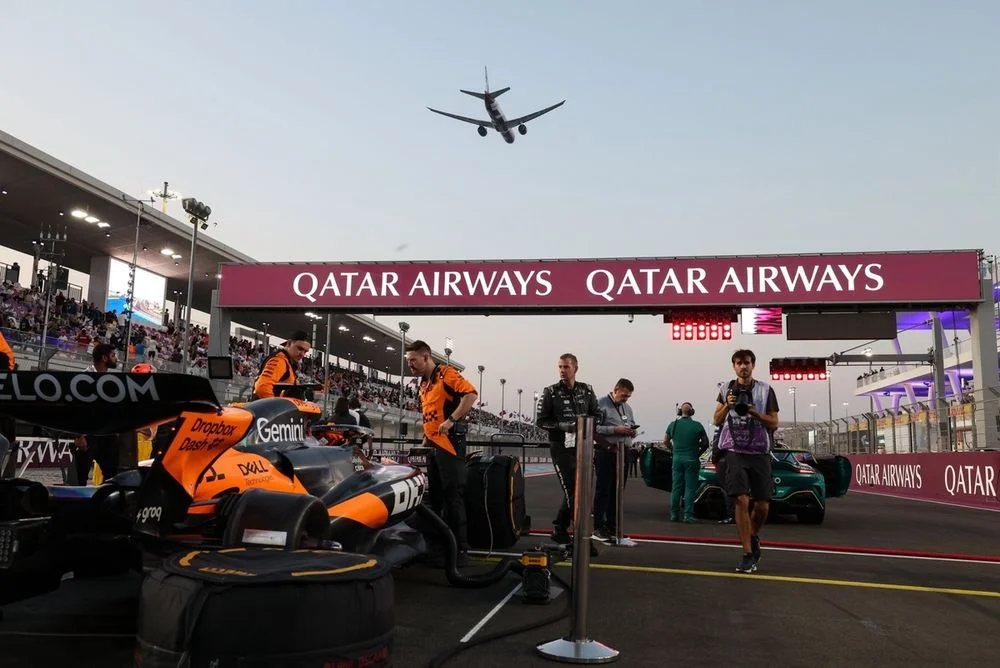
A Boeing 777-300ER of Qatar Airways flies over the grid
Photo by: Dom Gibbons / LAT Images via Getty Images
There is a contingency if conditions worsen: Imola. Organisers there received approval more than six weeks ago to start preparations, including building temporary grandstands, giving F1 room to switch venues quickly. The US midterm elections are one concern because of fears that conflict in the Middle East could escalate afterwards. The available information doesn’t explain how likely that scenario is, or what specific trigger would prompt F1 to move.
F1 has promised to cover Imola’s preparation costs even if the backup race is never used. That removes the financial risk for organisers in Emilia-Romagna and lets the series keep an alternative ready without leaving the local hosts to absorb the bill.
For more on the contingency plans, see Imola building grandstands, Abu Dhabi plan A – What’s really going on with F1’s season finale?
Why F1’s public comments remain restrained
There’s a striking contrast in how openly the two paddocks have discussed the races. MotoGP riders and teams have been more willing to criticise the plan; in F1, such comments have been rarer. A message obtained by Motorsport.com suggests teams and drivers have been asked to trust F1 and the FIA, and to keep to the public position the series has taken in recent weeks. The article says this resembles earlier requests for restraint over F1’s technical regulations.
That guidance showed up in Mexico. Asked about the situation at Friday’s press conference, Red Bull team principal Laurent Mekies said:
“It is typically the FIA and F1's task to approach it in the most complete way, with a full set of information, and to give us the direction on that. This is why, us not doing the same effort as them in terms of assessing the situations, we fully rely on them to make the right call”
That’s a clear expression of confidence in the institutions, but it also leaves the public with little detail about how the risk is being assessed. If you’re following the schedule, the dates and fallback venue are concrete; the reasoning behind the safety judgment is less visible.
Related coverage: Yamaha boycotts Qatar Grand Prix amid ongoing Middle East war and Jack Miller voices strong opinion against Qatar GP: “Nobody wants to go, but we face sanctions”.
Driver confidence will hinge on events, not assurances
Red Bull team principal Laurent Mekies argued that Formula 1 and the FIA have generally made the right calls before, and said teams share the same understanding of deadlines. Logistics, he added, are coordinated through the governing bodies. Williams team principal James Vowles expressed a similar view.
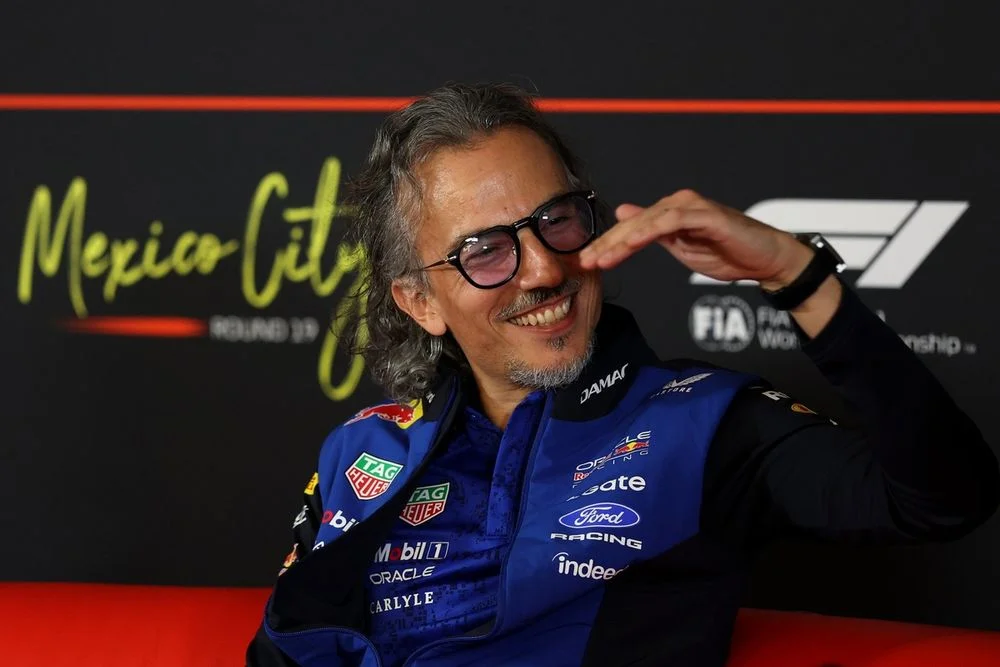
Laurent Mekies, Red Bull Racing
Photo by: Simon Galloway / LAT Images via Getty Images
The public reservations have been limited, but they matter. Max Verstappen said he usually enjoys racing in the Middle East, yet might choose another venue if the decision were his alone. Carlos Sainz, speaking in Austin, said he found it hard to feel certain about safety simply because F1 and the FIA were confident. He pointed to ongoing events in the region and possible political developments in the United States over the next month and a half.
Sainz later clarified in a Williams group chat that he trusts F1 and the FIA. The sequence says something about the pressure around speaking publicly: when the comments came up in Mexico, Verstappen joked that someone had probably spoken to Sainz afterward, adding that drivers aren’t really allowed to say such things.
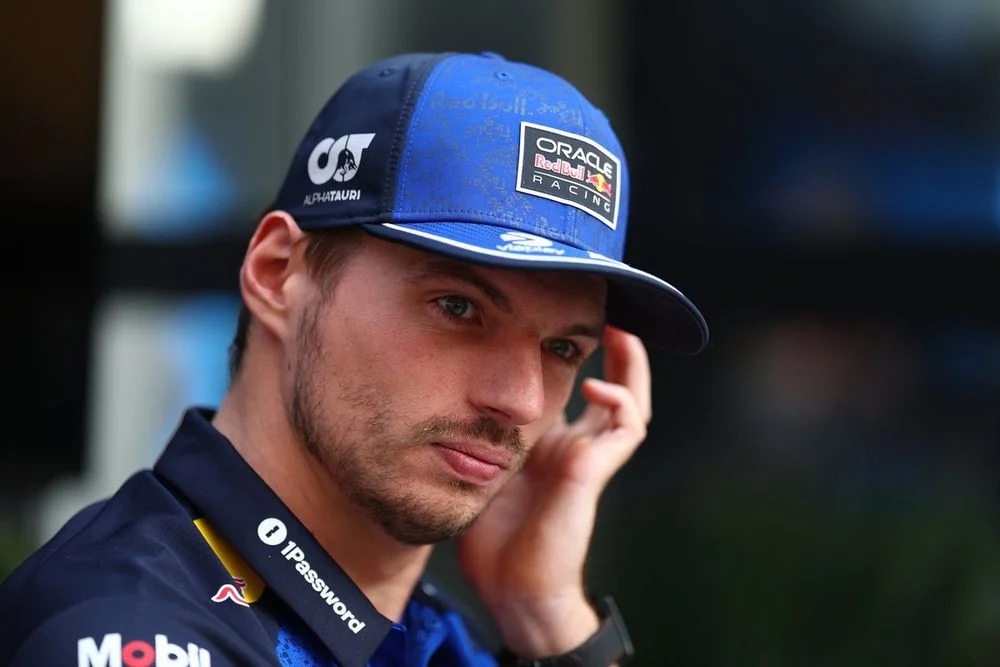
Max Verstappen, Red Bull Racing
Photo by: Simon Galloway / LAT Images via Getty Images
Verstappen’s position remains conditional. He told Motorsport.com that any decision depends on the safety guarantees F1 can provide and on how the next few weeks unfold. The region, he said, is still unstable; a willingness to travel today can’t settle what might happen next week.
F1’s decision window is still open
That tension is the real takeaway. F1 and the FIA are monitoring developments and telling teams that safety comes first, with a commitment to do “the right thing” if circumstances change. Yet major sums of money are at stake, and political considerations make it difficult for anyone to signal retreat early. The series has more time to decide than its two-wheeled counterpart, but time alone won’t resolve the uncertainty. If you’re watching for a firm answer, the clearest signal will be what happens in the region—and whether the safety assurances hold up as the deadline approaches.