Max Verstappen's Coded Communication Amid Transition at Red Bull
The recent challenges faced by Max Verstappen during radio communication at the Singapore Grand Prix underline a deeper narrative at Red Bull Racing. As Verstappen humorously noted, he and his race engineer Gianpiero Lambiase had to resort to coded messages due to radio problems. This necessity for coded communication turned into a light-hearted moment, especially as Lambiase joined Verstappen on the podium, highlighting the strong partnership they have built over time. However, the story goes beyond just a comical mishap. Red Bull is reportedly bracing for a significant transition as they plan for Lambiase’s successor. This transition period raises a lot of questions for the team, considering Lambiase's integral role in Verstappen's success. As the team gears up for future races, the pressure mounts to find someone equipped to navigate the complexities of such a competitive environment. For fans and analysts alike, this situation is more than just a passing anecdote; it signals Red Bull's adaptability and strategic foresight. If you’re involved in motorsport management or engineering, the dynamics at play here are crucial. The ability to maintain a strong driver-engineer relationship amidst change will likely be pivotal for Red Bull's future performance. The underlying tensions and the team's adaptability to these unexpected challenges could reveal a lot about their foundational strength going forward. What this means is that while Verstappen can joke about the circumstances, there's a serious undercurrent of change at Red Bull, which could dictate the direction of both their race strategies and driver success in the coming seasons.
Max Verstappen, Red Bull Racing
Photo by: Clive Rose / Formula 1 via Getty Images
For Max Verstappen, the recent Formula 1 season marked a decisive moment. Missing from his trophy cabinet were victories at two specific venues: the brand-new Madring and Singapore's Marina Bay Street Circuit. While the former’s absence is expected due to its debut on the calendar, the latter has long been a vexing venue for Red Bull.
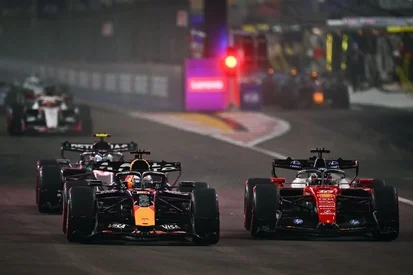
However, that narrative shifted dramatically this season. During the weekend in Singapore, Verstappen showcased his prowess, securing two pole positions and a pair of victories. His handling of the starting grid was particularly notable; it's been an area of concern for Red Bull throughout the year. Despite initial anxiety about the start, he successfully maintained his lead.
Verstappen shared his experience candidly: “The start was critical, and it was just good enough. There were issues that didn’t feel quite right, so I need to review what went wrong there.” Such introspection might seem trivial, yet it underscores the finely-tuned nature of these machines and the pressure drivers face under start conditions.
He elaborated on the difficulties, explaining that the starting line wasn’t what he had hoped for: “Before releasing the clutch, it didn't feel good. We had a few laps with some deployment issues that nearly cost me a critical moment with other drivers.” After overcoming these glitches, Verstappen could finally drive confidently without the looming threat of competitors.
Interestingly, he acknowledged that these starting issues were different from previous races. Typically, problems arose post-clutch release, but in this case, the issues manifested earlier. “I need to analyze the engine's behavior before even engaging the clutch, as it severely impacted my launch,” he noted, hinting at the complexities of modern F1 technology.
His challenges didn't stop there; a faulty radio system added another layer of difficulty throughout the race. Though Verstappen could still hear his team, the communication was fraught with misunderstandings. “Maybe GP was relieved it wasn’t working!” he quipped during the press conference. “It's been a recurring issue this season, and this weekend was particularly troublesome.”
In a clever attempt to circumvent the communications breakdown, his engineer devised a simple code during the closing laps: remain silent if a pit stop was desired or press the radio button if staying on track was preferred. Team principal Laurent Mekies later emphasized that the communication problems were solely on Red Bull’s end, not stemming from external factors like track conditions or equipment malfunctions.
“This situation isn’t a reflection of the venue, rather a gap in our operations,” Mekies stated succinctly post-race. He acknowledged the inherent complexity of F1 communications and the indispensable dialogue between drivers and engineers. Nonetheless, he expressed confidence in Verstappen and Lambiase, saying they proved resourceful in their communication despite the hurdles, showcasing their ability to improvise under pressure.
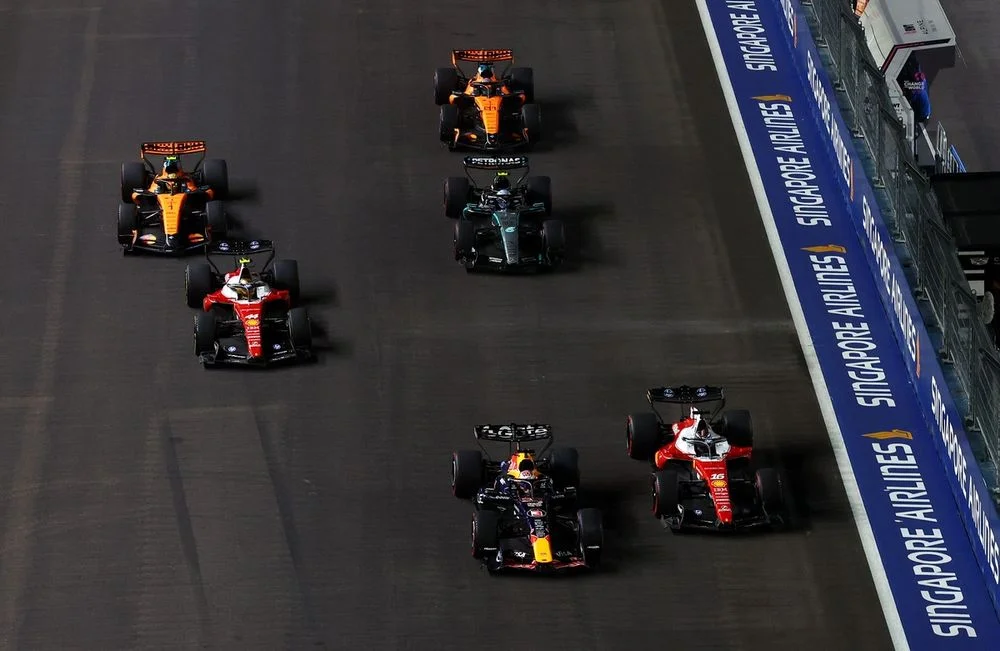
Charles Leclerc, Ferrari, Max Verstappen, Red Bull Racing
Photo by: Joe Portlock / Getty Images
As Verstappen reflected on the team dynamic post-race, he expressed surprise and gratitude that Lambiase joined him on the podium—an acknowledgment of the latter's hard work as he prepares to exit the team. "I didn’t see that coming," Verstappen remarked. "He mentioned last year that he might not be on the podium again. I told him not to worry, and now here we are." It’s clear that this result meant much more than just points on the board.