Basketball
Qatar's Commitment to Cultivating Homegrown Talent in Motorsport
Qatar is investing in local motorsport talent to enhance national pride and prepare for international competition, aiming to shape the region's racing future.
## Nurturing Local Talent in the Middle East Racing Scene
The Middle East is no longer just a curiosity on the motorsport map; it's emerging as a pivotal player in hosting world-class events, particularly over the past ten years. Now, one nation in the region is stepping up by investing significant resources into developing its own homegrown motorsport talent. This shift isn't merely about constructing glamorous racetracks or boasting high-profile series—it's about cultivating a new generation of drivers, engineers, and industry professionals who can contribute to the sport's future.
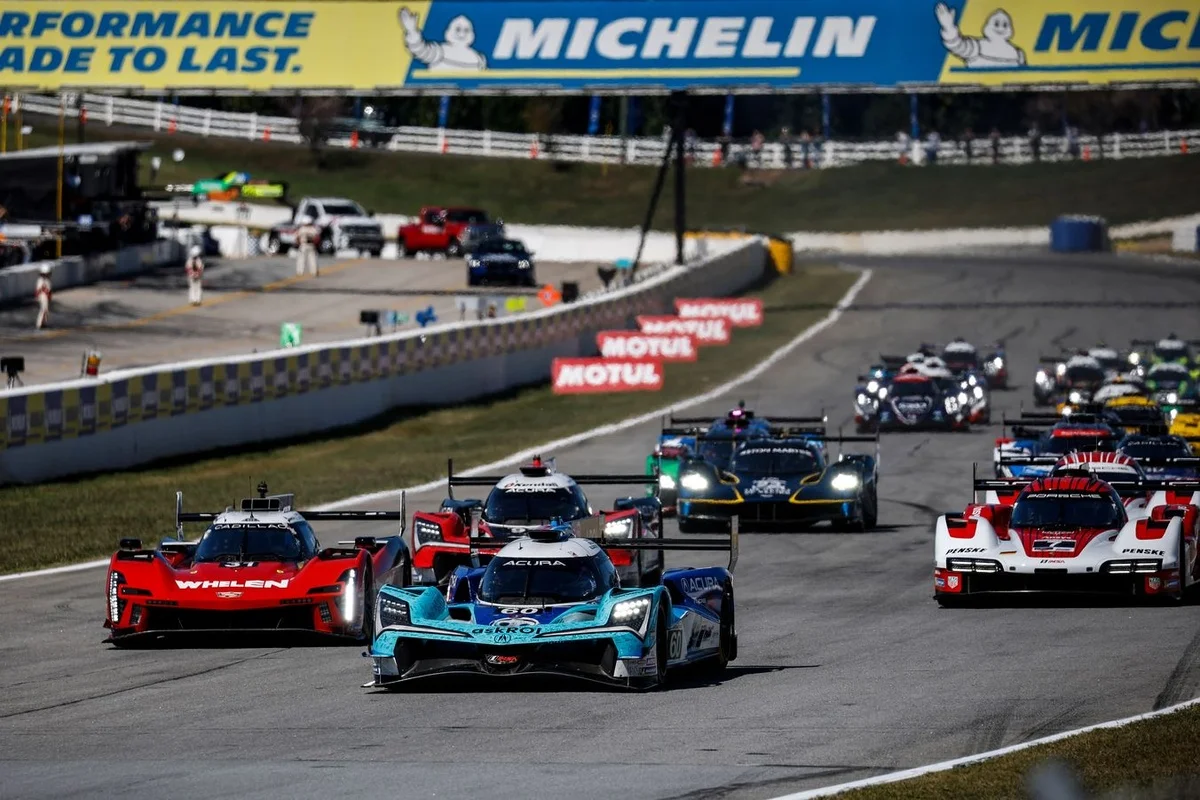
In many ways, this initiative reflects a broader trend of sports evolving into a vehicle for national identity and pride. For countries like Qatar, which are relatively new to the motorsport scene, fostering local talent can instill a sense of ownership and cultural relevance. As they host iconic events like the 24 Hours of Le Mans, it's clear that the stakes are high.
But here's the underlying question: how effective will these efforts be in the long term? The road to success isn't just about funding—it also requires the right infrastructure, mentorship, and competitive opportunities. If you're involved in motorsport, keep an eye on these developments. The drive for homegrown talent could reshape the competitive dynamics in racing, especially within a region that has much potential but also faces significant challenges.
The Emergence of Qatar in Global Motorsport
Qatar is not just a player in world rallying; it’s making strides into a broader spectrum of motorsports. The recent ventures by the Qatar Motor and Motorcycle Federation are turning heads, especially with the nation making its debut at Le Mans. This year, a Qatari team took the plunge, fielding a Mercedes-AMG GT3 driven by Abdulla Al-Khelaifi, with renowned drivers Giuliano Alesi and Julian Hanses backing him up.
For context, Nasser Al-Attiyah's impressive track record, including his sixth Dakar Rally victory, highlights Qatar's existing prowess in rallying. Additionally, drivers such as Abdulaziz Al-Kuwari have made notable marks in the World Rally Championship, demonstrating a solid foundation upon which the nation can build.
Abdul Rahman bin Abdul Latif Al Mannai, the president of the Qatar Motor and Motorcycle Federation, shared his vision for the motorsport academy. “We’re focused on circuit racing, rallies, and motorcycles,” he stated, underlining a multi-faceted approach to motorsport development in Qatar. These are not mere aspirations; they are action plans designed to cultivate homegrown talent.
Despite setbacks in their inaugural race—like a frustrating pit stop due to equipment failure that left them finishing 16th in class—the primary goal was clear: to inspire young Qatari racers. Al Mannai expressed confidence in this vision, asserting, “We want Qataris to compete at high levels, showing that our teams can compete in major international events.”
If you look closely, this isn't just about racing. It's about laying down a pipeline for the next generation. Al Mannai pointed out that they've meticulously worked over the past three and a half years, creating an infrastructure to support budding racers. The intention to organize national championships, starting with karting and touring events, is a crucial part of this educational ecosystem.
Given the resources and intent behind the Qatari motor racing scene, there’s a lot riding on its future success. Al Mannai is conscious of not rushing into the deeper waters of motorsport. “Success is essential as we progress,” he remarked, hinting that the focus will remain on nurturing talent rather than merely chasing immediate accolades.
As Qatar seeks a foothold in higher tiers of motorsport, including potential involvement in prototype racing, the development of local talent remains a centerpiece of the federation’s strategy. With their proactive stance and significant investment in the sport, it’s likely that we could see Qatari drivers making their mark on the world stage sooner rather than later.Reflecting on the Future of Motorsport Innovation
As we wrap up our exploration into how a Gulf nation is cultivating homegrown talent in motorsport, it's evident that there's more at stake here than meets the eye. This initiative not only seeks to elevate local skills but could potentially redefine the landscape of motorsport in the region. By investing in talent development and infrastructure, they are laying the groundwork for an ecosystem that could inspire a new generation of racers and engineers.
However, skepticism remains. The challenge will be maintaining momentum beyond initial enthusiasm. History has shown that without ongoing investment, such projects can fizzle out. That said, if these efforts succeed, they could spark a ripple effect across the industry, encouraging similar initiatives in other regions and helping motorsport to evolve on a global scale.
What this means for industry stakeholders is clear: agility and adaptation will be crucial. This isn’t just about creating professional drivers; it’s equally about shaping the technological landscape within motorsport. If you're involved in this field, keep an eye on how this situation develops—it could influence everything from sponsorship deals to technological innovations in the years to come.
In conclusion, the ramifications of nurturing local talent go far beyond individual racers. This journey reflects a larger commitment to innovation and excellence in motorsport, one that, if handled wisely, could help redefine not only a nation’s reputation but also the future of the sport itself. The horizon looks promising, but only time will tell if it's here to stay.