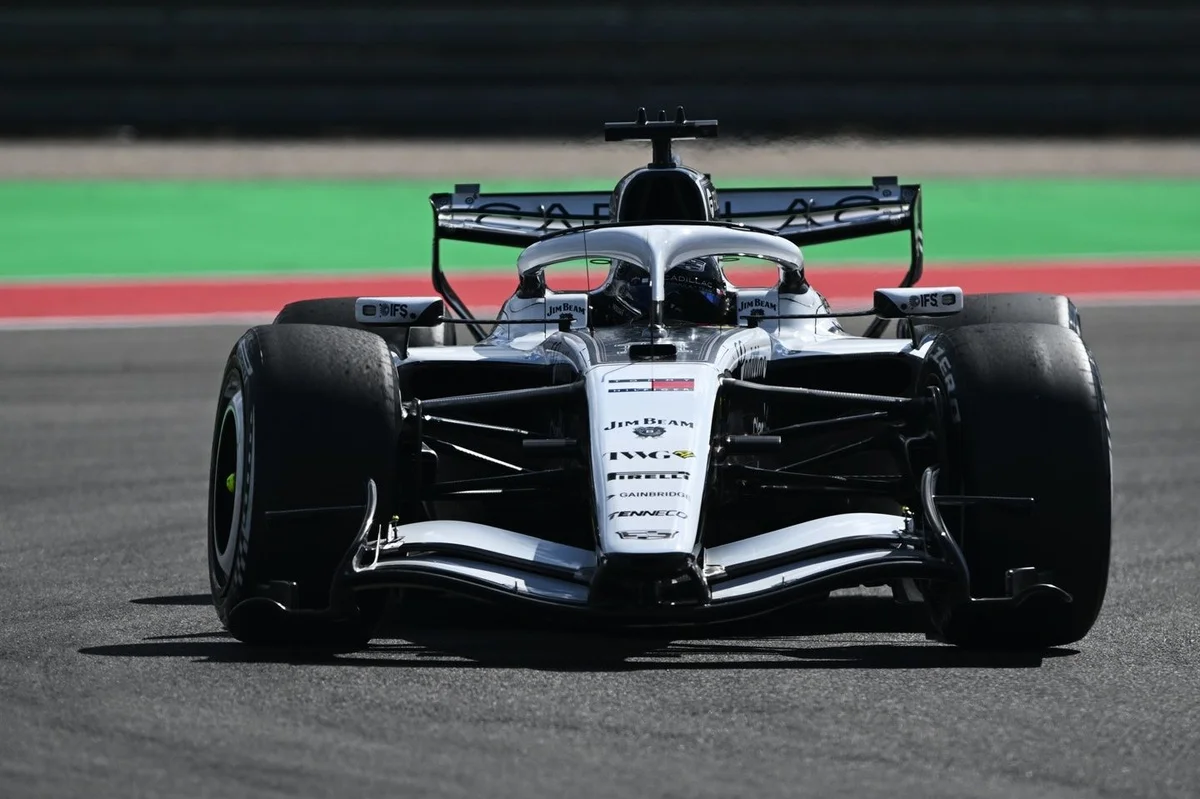
Lewis Hamilton notes a generational shift in F1, with younger drivers approaching rain racing with increased caution compared to their more aggressive predecessors.
The New Attitude Towards Rain Racing: A Generational Shift
Lewis Hamilton recently raised an intriguing point about the evolving mentality of Formula 1 drivers, particularly the younger generation, regarding racing in wet weather conditions. According to Hamilton, there's a noticeable difference in how these drivers approach the complexities of racing under rain—a stark contrast to the more risk-taking attitudes seen in veterans like himself.
This shift could be interpreted as a reflection of broader changes in the sport, where the emphasis on aggressive driving is tempered by a calculated caution among newer drivers. Hamilton's observations suggest that the pressures of current racing technology and safety considerations are leading to a culture where the fear of losing control outweighs the thrill of aggressive competition. This could also stem from a heightened awareness of personal safety and the potential implications of risky maneuvers during adverse conditions.
Such a cautious approach might resonate with many who prioritize safety, but it raises questions about the future of exciting racing. If you're in the motorsport community, Hamilton’s insight might prompt you to wonder whether this cautious mindset diminishes the spectacle of F1 or if it's a necessary evolution for a sport that has increasingly faced scrutiny over safety protocols.
In essence, Hamilton's comments point to a growing divide between generations in the sport. While veterans are inclined to trust their instincts honed from years of experience, younger drivers might be more conditioned to adhere to safety-first practices. This tension between experience and caution could reshape not just racing strategies but also the very nature of the sport itself.
Rethinking Wet-Weather Racing
Seven-time world champion
Lewis Hamilton has raised an interesting point about how the mindset surrounding wet races is evolving. He argues that the newer generation of drivers is increasingly reluctant to fully embrace the challenges posed by rain, reflecting a shift in attitudes that diverges from the more aggressive racing culture of his era.
The recent races, particularly in Sepang, showcased this dilemma. The event marked not only a significant milestone for the 2026 machinery but also highlighted the complications that arise from rain-soaked tracks. With a heavy downpour delaying the start by 40 minutes, teams opted for intermediate tires over full-wet ones. If you're familiar with F1, you know that this isn't just about tire choice—it’s about how prepared drivers are to tackle the slippery risks of racing in the rain.
Hamilton, with fond memories of navigating treacherous conditions in earlier races, lamented the current cautiousness, saying, “I do think the guys running the show are far more cautious." For drivers coming up today, there's a conflicting message: the thrill of racing against the elements is tempered by a fear of the unknown. “Us old-school drivers are like, ‘Let's get racing,’ and more of the youngsters are like, ‘Let's not race,’” Hamilton noted, emphasizing the generational divide in racing philosophy.
This cautiousness was evident during the Malaysian race, where the software glitch that plagued several drivers didn’t help matters. The decision to race, while met with some approval from drivers like
Carlos Sainz, who called the timing correct given the conditions, raises questions about how F1's governing bodies and teams manage wet-weather scenarios. Sainz maintained that they “just tried and we failed,” underscoring the unpredictable nature of racing in heavy rain.
Meanwhile, others like 22-year-old driver Isack Hadjar pointed out the new machinery's challenges during wet conditions. The complexity of the modern power units has added a layer of technical difficulty for drivers tackling the wet track. Hadjar noted that the unpredictable software coupled with standing water made it harder to drive confidently—a reflection of how technology impacts performance under duress.
The evolving dynamics of wet-weather racing raise additional questions about driver training and preparation. Hamilton treasures those moments of challenge, stating, “That's where we really get to test ourselves.” The passion for racing in the rain appears to be waning among younger drivers, leading to a potentially less exhilarating spectacle for fans. As rain is once again forecasted for the upcoming Singapore Grand Prix, we may find ourselves revisiting this critical conversation: Are we witnessing the end of an era where racing in the rain was considered one of the ultimate tests of skill?
Engagement Matters: Your Voice Counts
To wrap up this discussion, it's clear that Motorsport.com values its community's input. They’re actively encouraging feedback through a quick five-minute survey. This isn’t just a routine request; it's a crucial step in shaping future content. When a publication invites readers to share their thoughts, it signifies an openness to adaptation. It shows they're not just dishing out news but genuinely interested in what their audience craves.
Here's the thing: if you’re passionate about motorsport and have opinions about the coverage, taking that survey could actually impact what you see on your screen. Whether it’s more in-depth analyses or focus on specific areas of racing, your feedback could help tailor the editorial direction. That kind of reader-reporter dialogue can lead to more engaging and relevant content, which ultimately enhances the overall experience for everyone.
Moreover, engaging with the content goes beyond just completing surveys. Readers are encouraged to comment and discuss articles. This interactive approach not only enriches individual perspectives but also fosters a stronger community of fans. It’s a reminder of the power of dialogue in the digital age — the chance to share your views and connect with like-minded individuals can transform solitary reading into a communal experience.
What this suggests for Motorsport.com is a commitment to evolving alongside its audience. If you're entrenched in the motorsport industry, understanding how these platforms prioritize user engagement is essential. It might mean the difference between stale content and a vibrant exchange that reflects current sentiments and preferences. As the landscape continues to shift, the ability to adapt and listen to audience voices can set a publication apart from its competitors.
So, don’t sleep on that survey, and dive into the comment sections. This is an opportunity not just to influence what you consume but to be part of a larger conversation about the sport you love.