Singapore GP: A Unique Challenge for F1 Drivers
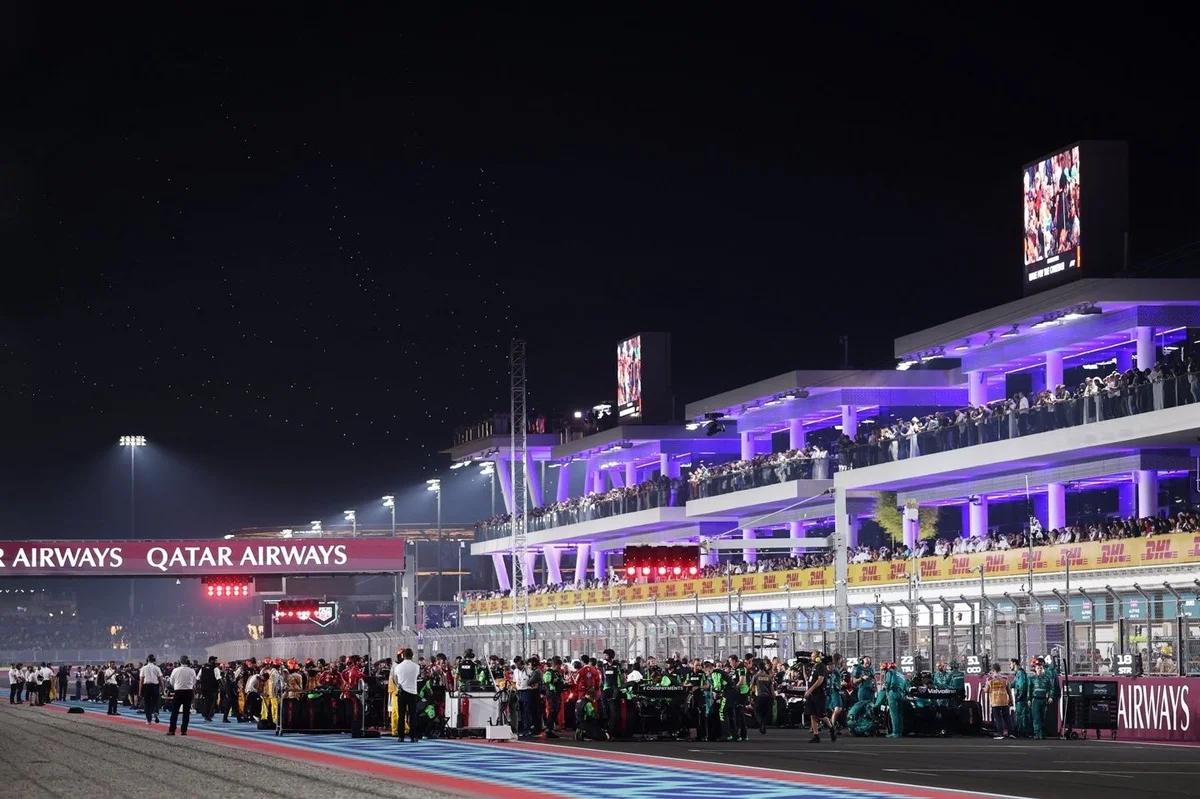
This year’s Singapore Grand Prix is shaping up to be one of the most challenging circuits drivers will face all season. Dubbed by some as an “unprecedented challenge,” the demanding nature of the Marina Bay street circuit isn’t lost on the racers. They've expressed their excitement tempered by a healthy dose of apprehension. One driver captured this sentiment perfectly: “Am I confident? Probably not,” highlighting the delicate balance of uncertainty and anticipation that comes with navigating a course notorious for its technical difficulties. The Singapore GP, known for its dazzling night race ambiance, adds layers of complexity that aren’t easy to manage, particularly during a sprint race format that throws traditional strategies into disarray. If you're involved in F1, whether as a fan or a professional, you'll recognize how the combination of humid weather, tight corners, and the potential for weather changes could dramatically impact performance. It’s not merely about speed; finesse and adaptability take center stage. Drivers relish the opportunity to tackle these rigorous conditions but are fully aware that any misstep could spell disaster. The thrill of racing under lights, coupled with the intensity of the narrow track, elevates the stakes significantly. While the teams prepare their setups meticulously, the unpredictable elements—such as tire degradation and scoring penalties—make this an event where anything can happen. With every lap under pressure, strategies will continuously evolve. You can't underestimate how the pressure cooker environment of the Singapore GP fosters a unique dynamic among teams and drivers alike. It's a proving ground where confidence can swiftly morph into caution, and performances can swing from awe-inspiring to heart-wrenching within moments. What this means for you, whether you are a team engineer, a strategist, or a spectator, is clear: expect the unexpected, and be ready for thrilling action that’s part fairytale, part chaos.
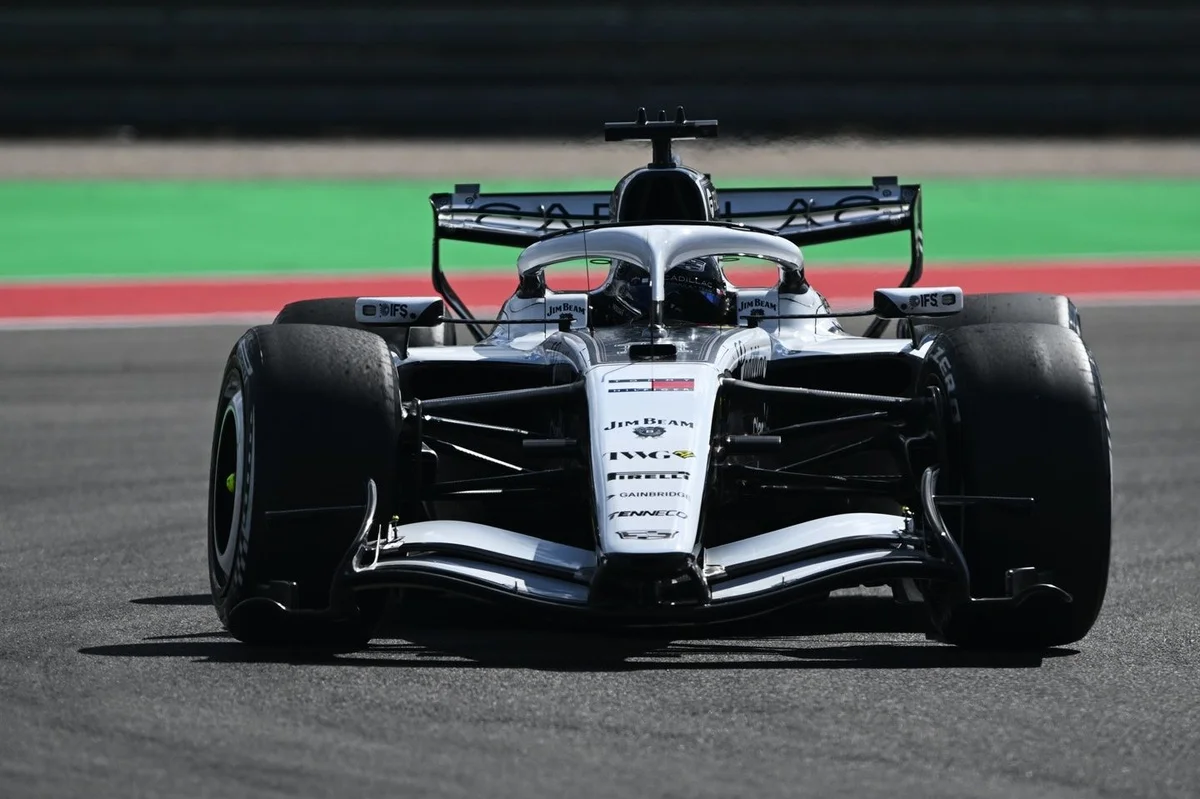
Pierre Gasly, Alpine
Photo by: Sam Bagnall / Sutton Images via Getty Images
This year's Singapore Grand Prix, set for 2026, introduces new dynamics that could significantly affect driver performance and team strategies. Unlike its predecessors, this event will feature a sprint weekend, but with a twist: the schedule deviates from the typical format, heightening the challenge.
Unique Race Dynamics
The Marina Bay Street Circuit will implement its sprint on Saturday, but with free practice and the sprint scheduled for the afternoon. Contrast this with the qualifying sessions and the main race—both set to unfold at night. This staggered setup means that teams and drivers will confront uncharacteristically cool temperatures during the initial practice session, which are forecasted to be 3 to 5 degrees Celsius lower compared to conditions during the sprint qualifying.
As Charles Leclerc from Ferrari pointed out, this complicates preparations significantly. “It’s going to be a very challenging weekend for that reason,” he emphasized. The unpredictable environment makes it tough for teams to find the optimal setup across varied temperature ranges.
The Challenge of Sprint Qualifying
Leclerc continued to elaborate on the nuanced setup required for street circuits, acknowledging that while the sprint format tends to add excitement, it also amplifies uncertainty. “To have a sprint race on a street track is going to be quite tough for everybody... it’s going to be very tricky,” he stated. While he enjoys the challenge, it's a balancing act between optimizing car performance and managing risks on a temporary circuit.
Red Bull's Max Verstappen echoed this thought, highlighting the critical need for drivers to adapt rapidly. “The most important thing is just to find a good balance with the car straight away in FP1,” he remarked. His teammate, Isack Hadjar, agreed, stressing the difficulties posed by the limited practice time.
Adapting to Uncertainty
Pierre Gasly from Alpine noted that the “guesswork” involved in these situations is significant. According to him, the unique characteristics of the circuit make it inherently challenging, and adding a sprint only increases the stakes. He urged the importance of a strong start, emphasizing that having the right car setup from the get-go is essential for a successful weekend.
“It’s mainly trying to work out with offsets from the past and what we’ve seen in the past,” Gasly explained, regarding the difficulty of applying past knowledge to current conditions. Nico Hulkenberg from Audi aligns with this sentiment, stressing that the one-hour practice gives little room for error and will complicate achieving the perfect setup.
Yet, some drivers thrive on this unpredictability. Argentine driver Franco Colapinto jokingly remarked on Fernando Alonso's skills, suggesting that while Alonso would thrive, newcomers may not enjoy the sprint qualifying format quite as much. The blend of high pressure and uncharted territory could lead to dramatic outcomes, making the upcoming weekend not just another race, but a calculated gamble.