A Chaotic Start to the Bahrain GP
This past weekend's Bahrain Grand Prix unveiled some nagging concerns about the current state of Formula 1, as highlighted by driver George Russell's candid remarks. Following a race riddled with interruptions stemming from software glitches, Russell characterized the disarray as "not very F1." His criticism points to a broader issue that resonates beyond just one chaotic event; it raises questions about the sport's reliance on complex technology and systems. Russell's comments came after a series of technical failures that marred the race's opening laps, leading to significant disruptions. In a sport where precision and performance are paramount, these incidents highlight a worrying trend toward technical complexities that can undermine the racing experience. For fans and stakeholders alike, this emphasizes a critical juncture. What does it mean when the very systems designed to enhance competition instead hinder it? It’s unclear why such technical problems continue to plague race weekends. Is it a symptom of rushed implementation? Or are teams overwhelmed by the increasing complexity of the technology they use? Whatever the case may be, Russell's views demand attention and discussion within the motorsport community. If you’re involved in F1 or closely following it, this moment reflects more than just the immediate fallout of a chaotic race—it's a signal that there's room for reevaluation in how technology is integrated into the sport. Moving forward, stakeholders need to consider the balance between innovation and reliability. The integrity of racing depends on it.George Russell, the driver for Mercedes, didn’t mince words about the chaos that unfolded during the Bahrain Grand Prix at Sepang. After losing his shot at a podium finish due to a late-stage power unit failure, he described the day as "not very F1." That sentiment reflects a growing frustration among drivers regarding the reliability of technology in the sport. Russell found himself on the brink of a significant outcome only to be thwarted by mechanical issues that marred not just his race but the overall viewing experience.
Going into the race, Russell was optimistic, eyeing a podium place at the Sepang International Circuit. But his hopes were dashed on lap 50 when his power unit failed unexpectedly. This retirement has only exacerbated a challenging season for him, as he now sits 84 points behind his teammate and championship leader, Kimi Antonelli. Such a gap in the standings is not just a statistic; it represents the mounting pressure on Russell to turn his performance around.
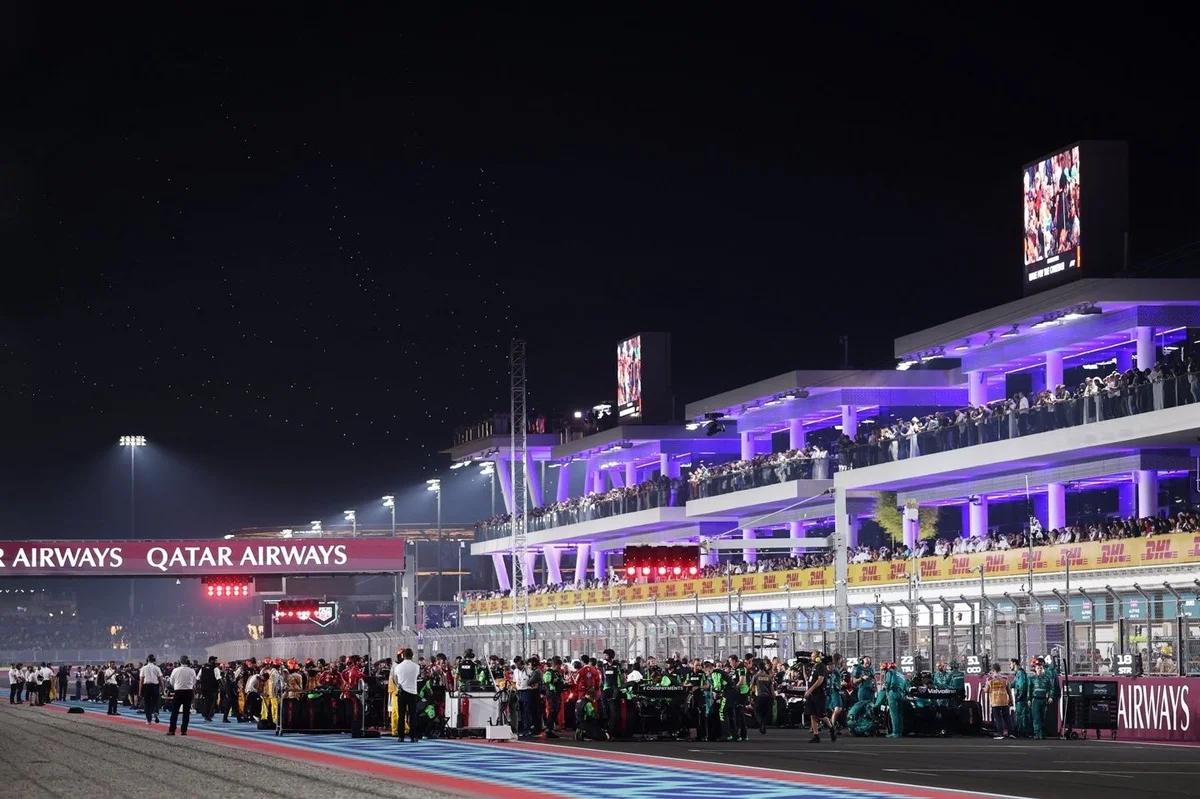
While he expressed disappointment over his retirement, his critique extended to the earlier formation laps. The race suffered significant delays due to torrential rain, pushing the schedule back by over an hour. This was just the beginning of what Russell deemed a "faff" of a day. The situation grew complicated when multiple drivers experienced software failures during the wet conditions, which only added to the confusion.
FIA official Nikolas Tombazis provided insight into the chaos, citing a "concertina effect" among cars that made it difficult to restart after the formation lap. The software bugs prevented vehicles from regaining power after a brief shutdown, creating a ripple effect of delays that Russell found frustrating.
Russell wrapped up his thoughts with a sober assessment of the intricate systems governing F1 power units. “The more complicated things are, the more they can fail,” he stated. As the sport grapples with technological complexities that threaten its core excitement, Russell's insights could spark discussion about the future of F1 engineering. For fans and stakeholders alike, the stakes have never been higher for ensuring that the thrill of racing isn’t overshadowed by technical failures.