Williams Racing's recent upgrades signal a renewed ambition to improve performance, though challenges remain after a tough Azerbaijan Grand Prix.
A New Era for Williams F1
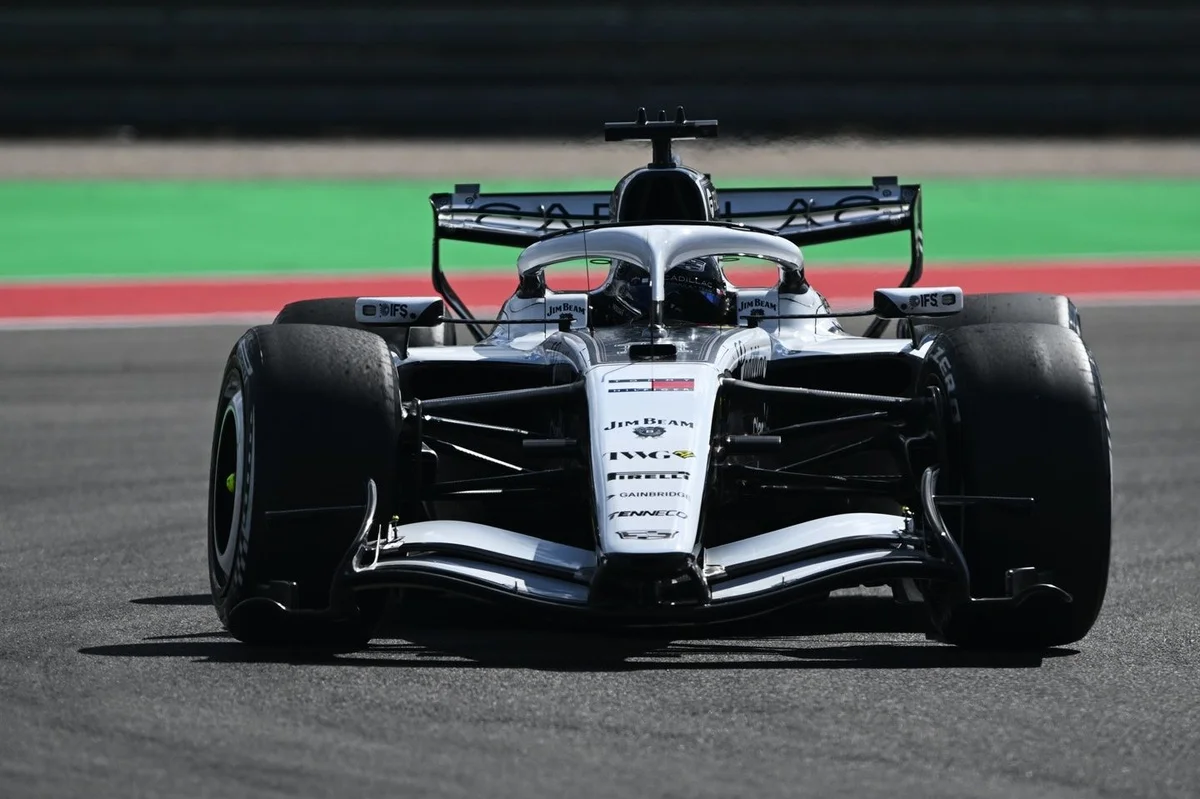
In the world of Formula 1, where teams are constantly striving for the edge, Williams Racing has made headlines with its latest development. Under the leadership of James Vowles, the team recently unveiled an extensive upgrade package at the Azerbaijan Grand Prix. This marks a pivotal moment for Williams, which has faced significant challenges in maintaining competitiveness.
Vowles commended the factory's efforts in transforming the car's performance, which many in the paddock are eager to assess in upcoming races. The adjustments are not just incremental; they signify a broader strategy aimed at pulling Williams from the depths of the constructors' standings. Vowles emphasized that this isn't simply about short-term gains but rather investing in the foundation for future success. The commitment to enhancing performance reflects a renewed ambition as the team looks to reestablish itself as a contender.
This performance update at Baku serves as a foundational step, setting the stage for a more ambitious season. If you’re a fan or follower of the sport, this could be a sign of revival for a team that once dominated the F1 landscape. For those in the industry, the implications of Williams' strategic pivot will be closely watched, as it could reshape dynamics in an already fiercely competitive field.
The Challenge of Upgrades at Baku
James Vowles, the principal of Williams, has expressed appreciation for the team’s significant efforts in rolling out a major improvement package for the Azerbaijan Grand Prix. Despite these efforts, the outcome was far from ideal, with Williams leaving Baku with merely a solitary point.
The team unveiled an ambitious update that included two new chassis, a comprehensive weight reduction strategy, and a revamped aerodynamic configuration. Vowles celebrated this achievement in a candid Instagram post, remarking on the dedication and hard work that went into the upgrades, stating, "It's no mean feat to bring two new chassis, take a large amount of weight out of a package, and an aerodynamic update at the same time, to deliver all of that to Baku.”
Qualifying saw some success, with Carlos Sainz making it to Q3, indicating that the upgrades had potential. However, the race was exponentially tougher. Sainz ultimately finished in 10th place, netting just one point, albeit while under investigation for a potential infringement during practice. In an unfortunate turn of events, team-mate Alex Albon crashed out on lap 31, nullifying any strong results for the team.
Vowles took a measured approach when reflecting on the race, acknowledging the oscillating performance. He stated, "We really couldn't find the performance that was there in qualifying." He commended Sainz for his perseverance and highlighted Albon's misfortune, attributing it to the unpredictable nature of street circuits like Baku: "A gust of wind fundamentally meant that he was unable to slow down sufficiently and went into the wall."
With another race looming in Malaysia just around the corner, Vowles affirmed their commitment to repairing the car and continuing to strive for improvement. The team might have started strong but recognized that significant work lies ahead to translate their potential into consistent performance.
Looking Ahead: Williams' Path Forward
As we wrap up this discussion on Williams' recent upgrades, it's clear that the team's efforts to revitalize their performance are more significant than they might appear at first glance. James Vowles has emphasized the hard work that went into these updates, particularly the improvements highlighted during the Baku Grand Prix. This kind of commitment signifies not only an immediate response to competitive pressures but hints at a longer-term strategy to elevate the team's status within F1.
What stands out here is not just the technical aspects of the upgrades but the underlying narrative of resilience and ambition. If you're immersed in the F1 sphere, you know that Williams' struggles in recent years have been well-documented. However, this commitment to reinvestment and enhancement could very well signify a turning point. The fact that they managed to integrate significant modifications in a high-stakes environment like Baku reveals a level of organizational maturity and a willingness to innovate under pressure.
That said, the road ahead is fraught with challenges. Other teams aren't standing still, and while Williams has made strides, the relentless pace of technological advancement in F1 means they must maintain this momentum. It's not fully clear whether these enhancements will yield immediate results in upcoming races; F1's intricate engineering demands more than just one successful upgrade cycle.
In light of this, fans and stakeholders might wonder how quickly Williams can transition from a historically weaker position to one of competitive viability. The answer lies in consistent performance, strategic partnerships, and perhaps most importantly, the cultivation of a bold, forward-thinking culture within the organization. As we look to future races, keep an eye on how effectively Williams can capitalize on this investment—it's a test not just of their engineering prowess but of their ability to harness team spirit and strategic vision in the ever-turbulent world of Formula 1.