Baseball
Emotional Camaraderie in DTM Racing: Kelvin van der Linde and Maro Engel's Moment of Understanding
After a race incident, Kelvin van der Linde showed unexpected empathy to Maro Engel, highlighting the deep bonds formed in the high-pressure world of motorsport.
Emotions Run High: A Moment of Kinship Amidst Chaos
The recent crash in the DTM series not only highlighted the physical dangers of motorsport but also showcased the emotional toll on competitors. Kelvin van der Linde, known for his resilient driving style, went through a whirlwind of emotions following the incident. Initially, he expressed anger and frustration, feelings that many can empathize with when faced with such perilous situations. But in a surprising twist of emotional gravity, he reached out to Maro Engel, the driver affected by the crash, sharing a message that resonated deeply: "I know how much it hurts."
This moment didn't just reveal van der Linde’s competitive spirit, but rather a profound sense of camaraderie. For those in the racing community, the bond among drivers often transcends rivalry. If you're following this scene, you can't overlook how meaningful this interaction is. In a sport defined by speed and aggression, recognizing a fellow competitor's pain reflects an understanding that victory comes with its own set of costs.
Engel, a contender for the AMG title, found solace in van der Linde’s words. The support extended during such pivotal moments serves as a reminder that racing isn't merely about the cars and the competition, but also about the spirit of sportsmanship that binds these athletes. This kind of empathy is vital in high-stakes environments, where pressure can isolate even the most accomplished athletes.
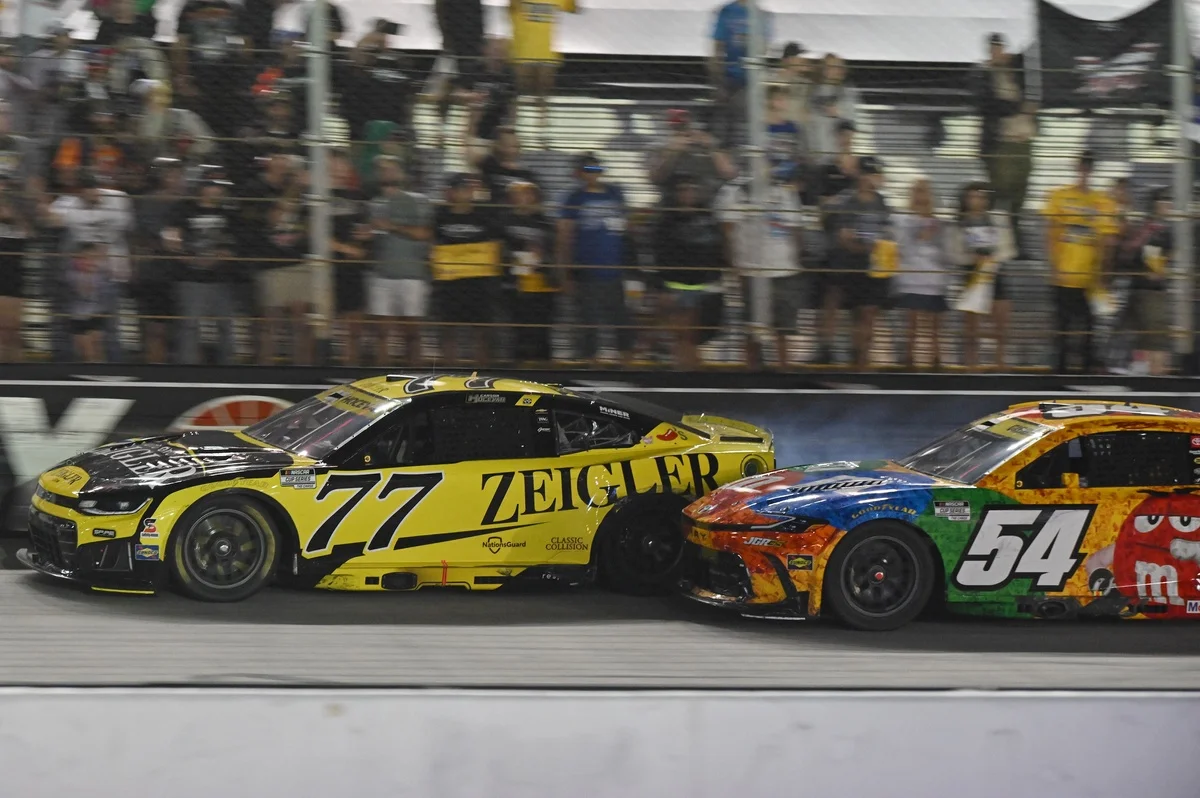
As the season progresses, it’s clear that these human connections will play a significant role in shaping the narrative of rivalry. The question now becomes: how will this emotional support influence both drivers moving forward? It’s too early to say, but you can bet that moments of vulnerability could redefine their approaches on the track.After a deeply frustrating incident at Sachsenring, Kelvin van der Linde's emotions boiled over. As a collision with Maro Engel took him out of the race in the penultimate lap, he didn't hold back on the radio: "Who hit me? What an idiot!" This wasn’t just any race, but the seventh time van der Linde had failed to finish this season, with Engel's car becoming a nemesis after their earlier clash at the Nürburgring.
However, the narrative took an unexpected turn post-race. Despite the 15-second penalty imposed on Engel—decided by race stewards after reviewing the incident—van der Linde approached him with empathy, saying, "I put my arm around him because I know how much that hurts him." This shows a depth of understanding that extends beyond the competition.
That penalty didn’t just affect Engel on the scoreboard; it cost him eleven crucial points in the championship battle. With the pressure mounting and a championship dream hanging by a thread, van der Linde empathized with Engel’s plight: "He has been around for years and wants to make his dream come true." It's a stark reminder of how cutthroat this sport can be and how quickly trajectory can shift.
### "Don't Let Your Head Drop"
For van der Linde, the stakes aren’t just numbers; they encapsulate years of hard work and sacrifice. Reflecting on his own experiences where he finished third and second in past title races, he knew first-hand the heartbreak when everything seems within reach yet slips away. "I simply wanted to tell him not to let his head drop and that it goes on," he advised Engel, underscoring the camaraderie that often thrives in the heat of competition.
Their connection spans back to 2014—a decade of mutual respect built on competition. Van der Linde recognizes the humanity behind the helmet: "Maro has always supported me even in difficult phases." This isn’t just a rivalry; it's a fluctuating relationship layered with shared trials on and off the track.
### Moving On from the Crash
Ultimately, van der Linde sees the crash as "water under the bridge." The 30-year-old remains pragmatic about such incidents, accepting that mistakes are part and parcel of racing. Yet, there’s a bond forged through numerous battles that fosters an unspoken trust between the two drivers. Notably, their shared history from their early days in series like the ADAC GT Masters illustrates a developing respect that transcends individual races.
Maro Engel currently sits in second place in the overall championship standings, trailing the leader, Thomas Preining, by 23 points. Unless he pulls off something remarkable in the final rounds, Engel’s hope of seizing the title is precarious at best. With only 56 points left to win, the pressure ratchets up significantly, making van der Linde’s supportive gesture a potent reminder that beyond the racing, it’s about the people and the stories intertwining in this high-stakes world.Final Thoughts: Understanding the Emotional Toll of Competition
The recent exchange between Kelvin van der Linde and Maro Engel after a race incident highlights not only the physical risks inherent in motorsports but also the deep emotional connections among drivers. Van der Linde, having suffered a crash himself, offered solace to Engel with a poignant reminder: “I know how much it hurts.” This moment isn’t just a heartwarming gesture; it speaks volumes about the solidarity and shared experiences within the racing community.
What stands out here is how this incident reflects the broader realities of the sport—not just the adrenaline and competition but also the vulnerability and losses that come with it. The mental and emotional pressures on drivers are often overlooked, overshadowed by a focus on speed and performance metrics. The camaraderie among competitors, as illustrated in this gesture, shows that behind the cockpits and helmets, there are human beings grappling with the intense highs and lows of their careers.
If you're navigating the realms of motorsports or working in sports journalism, this poignant encounter serves as a reminder: the stories worth telling extend beyond the racetrack. They delve into the fabric of human experience, showcasing moments that reveal vulnerability, resilience, and, ultimately, the spirit of competition. These narratives can redefine how fans and newcomers perceive the sport, inviting a deeper appreciation for what athletes endure, both physically and emotionally.
As we look ahead, it’s essential to foster conversations around mental health and support systems in racing and athletics more broadly. The insights drawn from moments like these can help shift perspectives and build a more empathetic community, one that acknowledges not only the thrill of victory but the pain of defeat. In a sport characterized by winning and losing, let’s not forget the shared human experience that binds all competitors.