Basketball
The Human Touch in Motorsport Leadership: Lessons from David Salters
David Salters' leadership style emphasizes emotional intelligence and team camaraderie, shaping a culture of resilience in high-stakes motorsport.
Recognizing Leadership Beyond Triumphs
Nick Yelloly's reflections on David Salters' leadership at HRC USA unveil an often overlooked aspect of high-stakes motorsport: the human touch. Salters, who has significantly influenced the team's success, is not just remembered for trophies or accolades; rather, it’s his approach to leadership that leaves an enduring impact.
Yelloly emphasizes that Salters' strategy isn't merely about chasing victories. It stems from meaningful communication, a hands-on approach, and fostering a supportive environment for his team. In an industry often focused on numbers and performance metrics, this kind of leadership—rooted in genuine human connection—is surprisingly underappreciated.
The essence of Salters' leadership style shines through Yelloly's insights. By fostering camaraderie among team members and placing individual well-being front and center, Salters shapes a culture that prioritizes resilience and teamwork. This approach goes beyond just a series of successful race weekends; it cultivates a group that's better equipped to handle challenges, both on and off the track.
What this means within the broader context of motorsport is significant. The landscape of racing requires both technical prowess and human expertise. If there’s one takeaway here, it’s that while results matter, the emotional intelligence involved in leadership can be the ace up a team’s sleeve. In conversations about performance, Salters’ legacy offers a roadmap for leaders to follow—a reminder that true influence extends far beyond the trophy case.The Impact of Leadership Change on Acura Racing
Nick Yelloly’s transition from BMW to Acura wasn’t just a career move; it was shaped by a personal connection he had with David Salters, the outgoing president of Honda Racing Corporation USA. When Yelloly decided to leave BMW at the end of the 2024 IMSA season, it wasn't through intermediaries or agents. Instead, he reached out to Salters directly, fostering a relationship built on trust that made the news of Salters' departure all the more poignant.
Salters officially vacated his role on September 12, paving the way for Kelvin Fu, who was elevated from his position as vice president. It’s a significant shift, yet one that transitions smoothly given Fu's familiarity with both the team and its objectives. For Yelloly, this handover feels less like a shake-up and more like a natural progression, given that Fu has been a regular presence at IMSA races and has a solid grasp of the dynamics within the organization.
“David and I had an instant rapport because we both hail from the UK,” Yelloly shared. His commitment to open communication with Salters is evident. The discussions they had during Yelloly's transition were forthright and constructive. “He’s done everything he said he would, going above and beyond,” Yelloly added, reinforcing the legacy of mutual respect built over time.
While stepping away from a leader like Salters is undeniably challenging, Yelloly remains optimistic about the future with Fu at the helm. “We know Kelvin quite well. He may be a behind-the-scenes guy compared to David, but he’s incredibly adept at managing the entire team. I expect a seamless transition,” Yelloly remarked. His focus is clearly on how this change will play into Acura’s ongoing performance, especially with the championship fiercely contested.
Salters' Tenure: A Legacy Built on Success
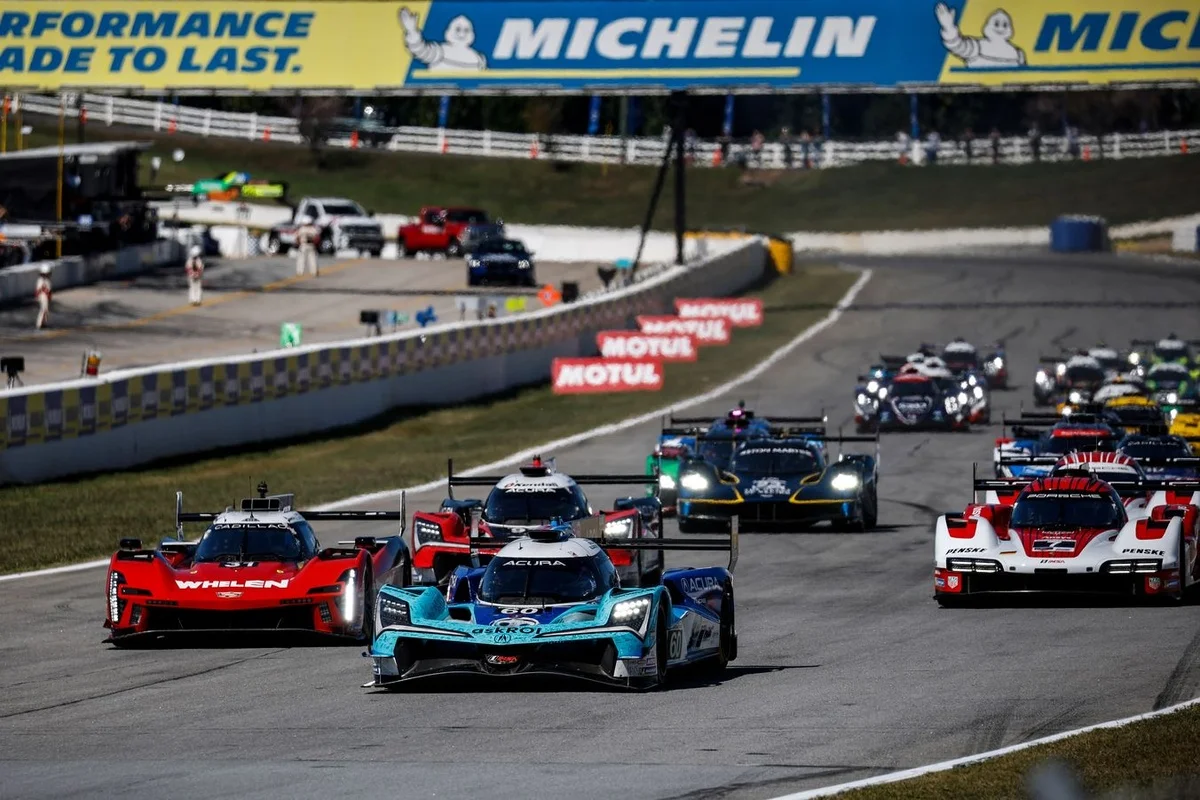
Salters leaves behind an impressive decade at HRC USA. He began as a chief engineer with Honda Performance Development in 2015, climbing through technical director and then president in 2020. This period witnessed remarkable achievements: three IndyCar manufacturers' championships, five drivers' titles, and a clean sweep of all three major IMSA honors in 2022. Salters also took significant strides toward the future by championing the electrification of Acura’s offerings, exemplified by the introduction of the Acura ARX-06 LMDh.
Yet, Fu’s background positions him well as a successor. Starting in chassis design and performance engineering, Fu climbed to vice president after proving instrumental in securing four Indianapolis 500 victories. His experience speaks volumes about the strategic continuity at HRC.
For Yelloly and his co-driver Renger van der Zande, this moment is about more than the transition of leadership. They currently occupy a strong position in the GTP standings, just behind the leader, Jack Aitken. With the 2026 season marking the end of Acura’s IMSA involvement, Yelloly is already planting his future roots in Ford Racing’s Hypercar program for the FIA World Endurance Championship.
The Human Element of Motorsport Leadership
Reflecting on Salters' contributions, Yelloly emphasizes the personal aspect of leadership over statistics and trophies. “David believed in our rookie engineering team on the #93 Acura,” he stated, speaking to how Salters nurtured new talent and fostered innovation. “My engineer was new to race engineering, as were several others on the performance side. That hadn’t been done before, and it’s a testament to David's vision.”
This perspective reveals that the legacy of someone like Salters goes beyond metrics; it’s demonstrated in the faith he placed in burgeoning talent and the structured risks he embraced. As Acura moves forward, the human stories behind the machines are what make this sport compelling.It's impressive how far this team has come since the inaugural testing phase at the end of 2024. From those early days, where uncertainty loomed, to now competing with confidence on a weekly basis, the turnaround reflects not just talent but serious dedication and strategic planning. The evolution showcases the meticulous efforts of leadership in molding the team's identity and approach.
The praise directed towards leadership isn't just lip service. It's clear that the commitment to constant communication and feedback has played a significant role. One team member noted that calls were made every other day in the initial stages to reassess the program's structure and consider necessary tweaks. Such proactive engagement isn't just resourceful; it demonstrates a culture of collaboration and growth.
This isn't merely about results; it's about the foundation that's being built through these experiences. The insistence on participating in every test emphasizes a hands-on approach that seems to resonate throughout the organization. It’s not commonplace to witness such direct involvement, and this can alter the dynamics of performance at all levels within the team.
As we look ahead, the real question is: how will this emphasis on feedback and adaptability influence their future challenges? If this growth trajectory continues, we might witness not just incremental improvements but potentially a seismic shift in competitive standing within the league. For teams navigating similar evolutions, this model serves as an intriguing case study. There's something here worth emulating—the blend of leadership presence and open communication could well be the blueprint for success in high-pressure environments.