Basketball
Dale Jarrett Urges NASCAR Drivers to Embrace Sportsmanship Amid Rivalries
Dale Jarrett calls for greater respect among NASCAR drivers, highlighting the need for sportsmanship amid growing tensions between Brad Keselowski and Carson Hocevar.
Dale Jarrett Calls Out NASCAR Drivers
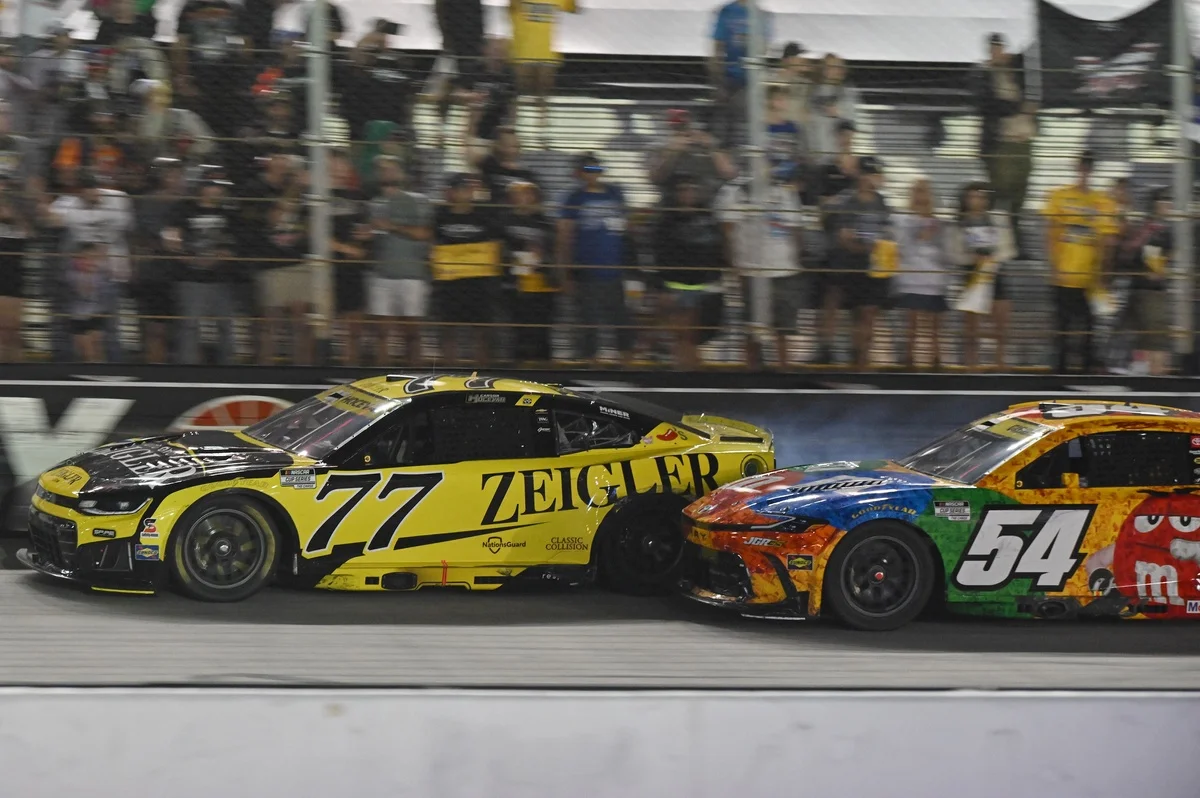
Dale Jarrett, a Hall of Fame driver, isn't holding back as he addresses the escalating rivalry between Brad Keselowski and Carson Hocevar. During a recent pre-race segment on USA, he bluntly urged both drivers to “act like men.” It's a striking statement in a sport that often thrives on intense rivalries, yet Jarrett's comments spotlight a growing concern over the conduct of drivers in the heat of competition.
This isn't just about racing bravado; it dives deeper into the values and maturity expected from professionals in the sport. If you're familiar with the dynamic between Keselowski and Hocevar, you know this feud has been brewing for some time, fueled by on-track altercations and sharp exchanges off the track. Jarrett's plea suggests that the drama surrounding these two is reaching a boiling point that may detract from the integrity of NASCAR.
What Jarrett is essentially advocating for is a return to a level of sportsmanship that he feels has been lost in the frenzy of modern racing. His appearance in the pre-race show underscores not just a personal frustration but a broader commentary on the direction of NASCAR's culture. He represents a generation that valued respect and professionalism, qualities that he believes still hold significant weight.
As the sport moves forward, Jarrett's words may resonate with long-time fans who yearn for competitive rivalries without the accompanying immaturity. While feuds can undoubtedly add excitement to the races, they should never eclipse the essence of what NASCAR stands for. This incident raises critical questions for fans and stakeholders alike: How should drivers balance rivalry and respect, and what does that mean for the future of NASCAR?
If you're invested in the racing scene, Jarrett's comments indicate a pivotal moment. The sportsmanship ideal he champions may well prove essential in fostering a competitive yet respectful environment as the series evolves.Just moments before the NASCAR Cup race kicked off at WWT Raceway, Brad Keselowski and Carson Hocevar shared their perspectives in a candid conversation. Keselowski hinted that collaboration might be feasible, especially if his own performance faltered during the race. His team has invested considerable effort, and he emphasizes the drive to maximize the day's potential, stating, "We've got a lot of people who work really hard on my team to put the best cars out on the track." Yet he also made it clear that he wouldn't let his guard down, quipping, "I'm not going to get ran over on the racetrack." As tensions simmer, Keselowski recognizes the need to seize opportunities, while remaining prepared to address any hurdles.
In his dialogue, Keselowski also addressed concerns about Hocevar being viewed as a loose cannon on the track. With a chuckle, he dismissed the notion, suggesting that if anyone thinks of him as a wildcard, they don't really know him well. It's this kind of competitive banter that underscores the dynamics within the racing community—an environment where reputations can shift after a single race.
Hocevar, currently positioned 12th in the playoff standings among 16 drivers, expressed a resigned acceptance of the chaotic nature of racing. "I'm probably getting wrecked at some point, whether it's him or somebody else," he acknowledged, displaying a pragmatic mindset about the inevitable risks of the sport. His focus remains on securing his team's best finish, recognizing the importance of keeping his safety gear tight and preparing for whatever challenges the race may bring. This mentality reveals a level of maturity and acceptance in an environment where unpredictability is the norm.
As the race unfolded, the backdrop of these drivers' exchanges plays into a larger narrative about the tensions and alliances that develop within NASCAR's high-stakes world. This interplay not only influences individual races but shapes the overall championship landscape. The interactions between Keselowski and Hocevar hint that, while they may be competitors on the track, their relationship will evolve—either fostering collaboration or spawning conflicts.
### Dale Jarrett's Perspective on Conduct
Dale Jarrett, a 1999 NASCAR Cup champion and now a commentator, didn't shy away from voicing his discontent about the emotional exchanges between Keselowski and Hocevar. He critiqued their words and questioned the wisdom of using race cars as tools for personal conflict. "To be quite honest, I'm tired of the talking," he remarked, calling for a more mature resolution to disagreements. His suggestion? Put aside the theatrics and settle disputes off the track. Jarrett stressed, "Act like men. Settle this outside the race car," urging competitors to respect the hard work that goes into maintaining these expensive machines.
The tension is palpable, and Jarrett’s insistence on responsible behavior reflects a broader concern for the integrity of the sport. His perspective challenges both drivers to rise above petty rivalries and create a more professional atmosphere within the NASCAR community. Ultimately, the choice lies with the drivers—whether to heed Jarrett's advice or risk further escalating tensions that could jeopardize the integrity of their competition.Reflecting on Sportsmanship in NASCAR
Dale Jarrett's recent comments directed at Brad Keselowski and Carson Hocevar highlight a deeper conversation about accountability and sportsmanship in NASCAR. In suggesting that they "act like men," Jarrett isn’t just calling for traditional notions of behavior; he's tapping into the larger expectations that come with being a professional driver in a highly competitive sport.
What’s significant here is the cultural dimension of such a statement. Sports have always been arenas where conduct, both on and off the track, echoes wider societal values. This incident doesn't merely serve as a critique of two drivers; it reflects a longing among fans and veterans alike for a return to a form of respect and dignity within a sport that has seen its fair share of controversies. If you're involved in motorsports, the implications here are vital: how athletes present themselves shapes public perception and future participation in the sport.
Here's the thing: while some may dismiss Jarrett's remarks as just another example of tough-love coaching, they also reveal a rift between the expectations of older generations of drivers and the new, more emotionally expressive talent emerging today. You have to wonder—will this resonate with younger audiences, or will they find it outdated?
Ultimately, this exchange signals an opportunity for NASCAR to reexamine its ethos. As the sport adapts to new dynamics, navigating the balance between fierce competition and sportsmanship becomes more critical. The industry's response not only impacts its legacy but also influences how new fans connect with the sport. So, as we watch these conversations unfold, let’s consider the kind of culture we want to foster in racing—one that honors both competition and character.