Carson Hocevar: A Polarizing Figure in NASCAR
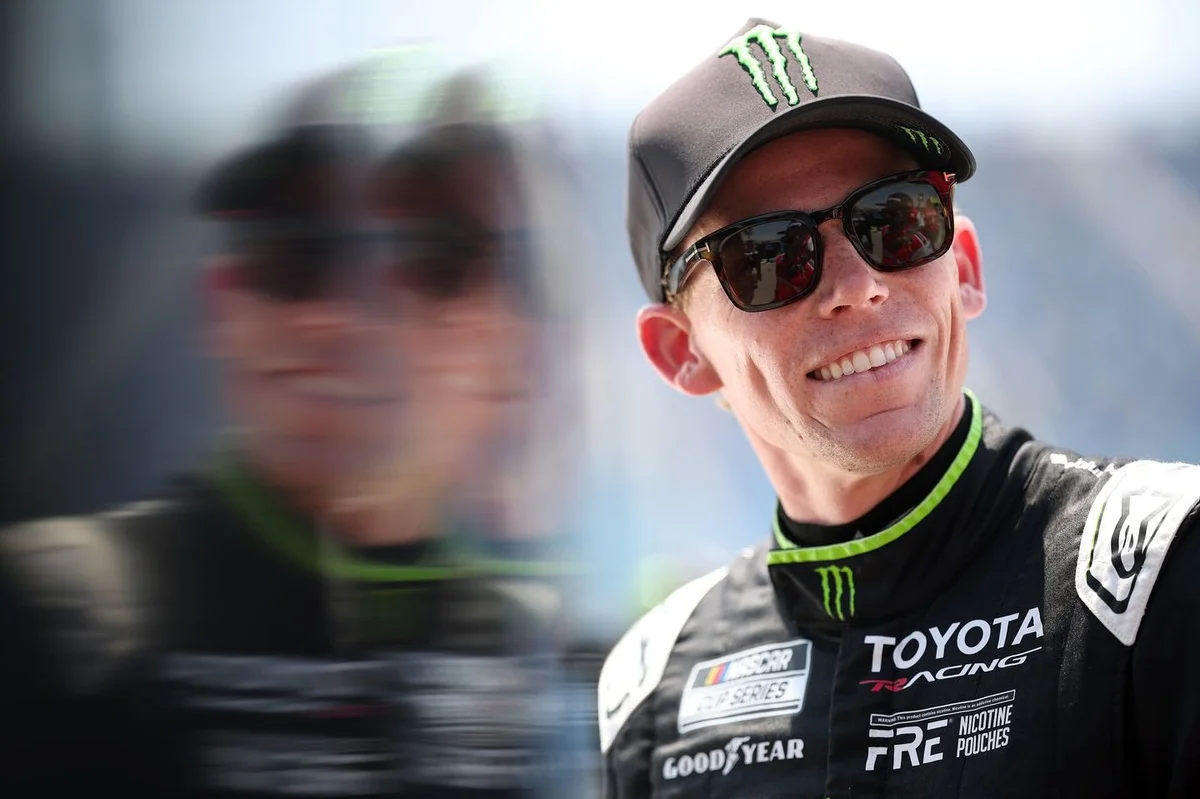
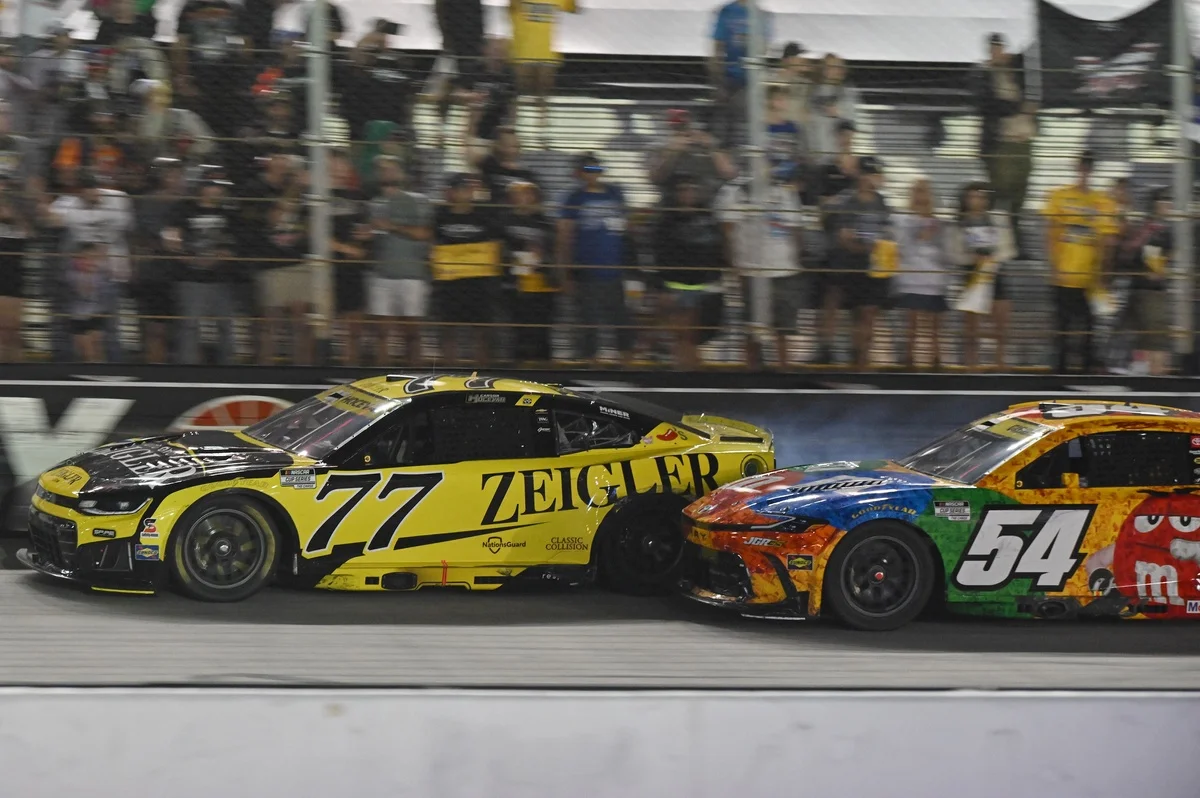
When it comes to the NASCAR Cup Series, few names spark as much conversation as Carson Hocevar. His presence in the garage is anything but ordinary, with a style and attitude that clearly defines him as a distinct character among his peers. Many fans and analysts have noted that Hocevar doesn’t shy away from the hard knocks that come with racing. In fact, he remains notably uncomplaining about how he’s treated on the track, a stance that both attracts and repels opinions. His approach raises intriguing questions about the broader racing culture. Does Hocevar's honor code—one that promotes resilience and acceptance—highlight a necessary toughness in a sport often defined by its cutthroat competition? This is more significant than it might seem at first glance. In an environment where drivers frequently voice frustrations over on-track battles and aggressive maneuvers, Hocevar's stance could indicate a refreshing authenticity. For those of you navigating the world of motorsports, understanding Hocevar’s perspective is vital. It reveals not just the expectations and realities of NASCAR but may also serve as a mirror reflecting the shifting dynamics within the sport. As more fans tune in to witness these raw personalities clash, how Hocevar maintains his unique code of conduct could potentially redefine perceptions of the driver-team relationship—both on and off the track. In Hocevar’s case, accepting the challenges and controversies that racing presents appears to be a core aspect of his identity, setting him apart in the NASCAR community. The questions remain: Will this honor code resonate with fans in the long run? Or will it alienate him in a sport where image and personality often dictate a driver’s marketability? As the season unfolds, Hocevar's journey, along with his very unique honor code, will certainly be one to watch.Carson Hocevar’s approach to racing is clear: he’s here to compete fiercely, not to win the approval of seasoned drivers like Brad Keselowski. Missing the point of traditional racing etiquette, he views his recent run-in with Keselowski during the Southern 500 as a mere racing incident. Hocevar stated simply, “It’s kind of shit happens sometimes when we’re racing hard.” That’s his philosophy, and he’s sticking to it.
When reflecting on the aggressive tactics employed against him, Hocevar’s remarks underscore a significant point about racing dynamics. While he acknowledges the intensity that leads to moments of contact—“I was racing really hard, trying to be aggressive…”—he finds little reason to offer contrite apologies. This mindset goes further: after the race, in what seems to be a tongue-in-cheek response, Hocevar even slashed merchandise prices by a notable six percent in reference to Keselowski's car number, further showcasing his irreverent stance toward a veteran who had threatened him by saying, “his day is coming and it’s coming hard.” This playful jab can easily be interpreted as disdain for the older drivers’ grievances.
Shunning Tradition
Hocevar isn’t one to bow to the pressures of acknowledgement or remorse in the aftermath of hard racing—something that clearly vexes members of the garage. As he sees it, racing incidents are just part of the game, and hollow apologies don't add value. “I have just never liked the whole getting a phone call on Monday and (getting an apology) because it’s like ‘oh you’re only strategically making this call anyways.’” He views apologies following incidents on the track as disingenuous, and he's criticized the expectation that drivers should express contrition. “Extra fluff” is how he describes the insincere gestures many drivers make when tensions run high.
What’s intriguing here is that Hocevar’s persona resonates with a segment of racing fans craving authenticity. Despite some hostility from seasoned racers, he’s managed to cultivate a following that appreciates his unapologetic attitude. NASCAR even recognized the dynamic of Hocevar competing against seasoned pros, framing it as a compelling element of the current Chase for the Championship. Spire Motorsports proudly tweeted about his journey, demonstrating that they, too, are capitalizing on his rising star.
The Family Element
This isn't just about racing hard; it’s also deeply personal for Hocevar. He expresses that his real priority lies with his team and their perceptions rather than those of entrenched veterans. “I only care what Jeff (Dickerson, Spire Motorsports co-owner), the sponsors, and my team say,” he asserted, marking a direct divide between the veteran drivers’ opinions and his own core motivations. The unwavering support from his team gives him the freedom to pursue his racing ambitions authentically—and that’s critical for him.
Hocevar’s ethical stance on racing prevents him from engaging in the back-and-forth of petty grievances that often plague the sport. He cites a past incident with Bubba Wallace after a rough interaction at Martinsville, where he simply shrugged off Wallace's anger in a light-hearted exchange. “I don’t know if this is my made it moment, but pretty close to it,” he reflected, indulging in the chaotic essence of stock car racing. For Hocevar, this isn’t just about the competition; it’s about savoring the enjoyment and chaos of the sport he loves.
As long as he continues to receive backing from his team and sponsors, expect Hocevar to remain unapologetically himself on the track, shaking up the norms of what it means to compete in NASCAR.