Riley Herbst is Out for Daytona Due to Concussion
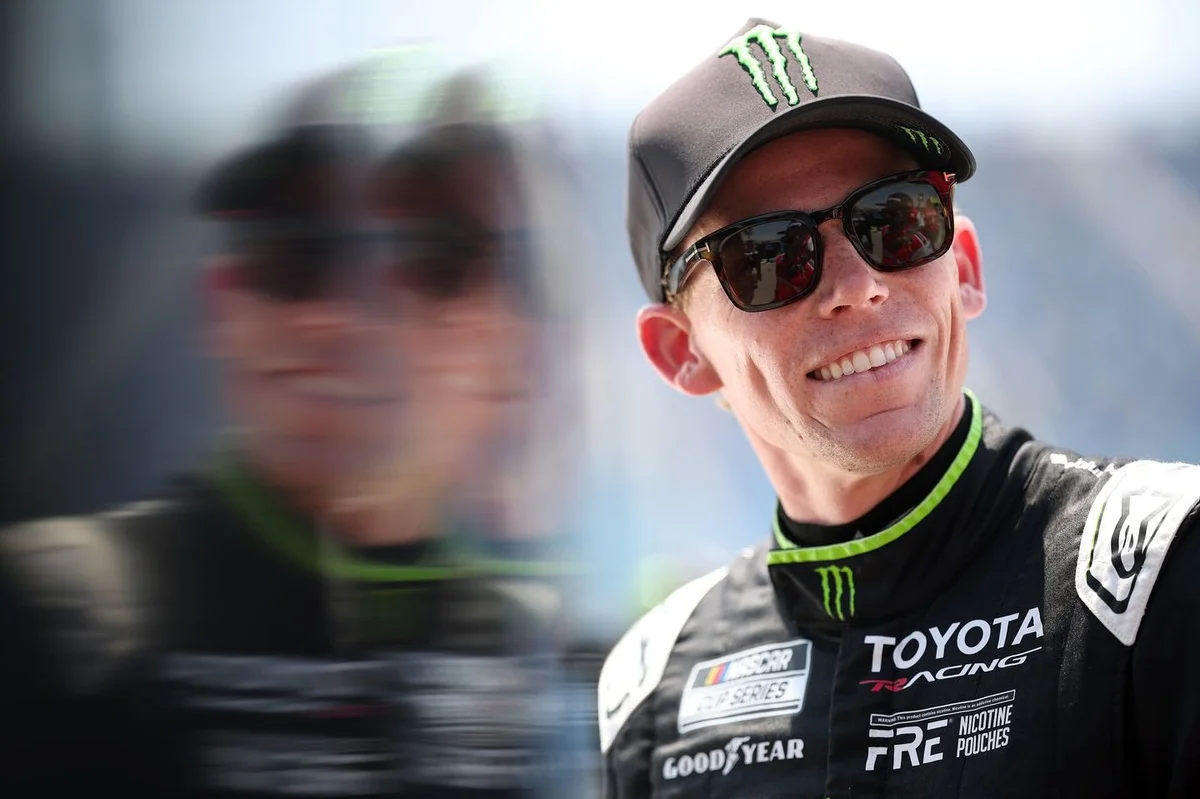
Riley Herbst, a driver for 23XI Racing, has officially announced that he will not participate in the upcoming Daytona event. The decision follows his recent concussion diagnosis, which has left him symptom-free for the past week, signaling a positive recovery trajectory. This marks a significant health concern in the high-stakes environment of NASCAR, where physical and mental well-being are critical for success on the track. Herbst confirmed his absence via social media, further emphasizing the necessity of ensuring appropriate recovery time before resuming competitive racing. If you’re keeping track, this isn’t just another mundane news update; it highlights the ongoing discussions about driver health and safety in motorsport. The number of driver-related health issues is a topic that warrants close scrutiny, especially when considering the fast-paced nature of the sport and the pressures athletes face. While Herbst's situation might seem individual, it resonates with broader implications in NASCAR and other racing series. How effectively the sport manages driver health can set important precedents for safety protocols moving forward. As fans and professionals engage in conversations around the physical demands placed on drivers, Herbst’s case reflects a growing awareness of concussion risks in high-impact sports. The spotlight on health issues is not likely to dim anytime soon, and this incident underscores the need for comprehensive support systems for drivers. As the Daytona race approaches, fans and teams alike will be watching closely not just for competitive outcomes, but how health concerns like Herbst’s will continue to shape the dynamics of the sport. It's a reminder that, at the end of the day, drivers are athletes facing real challenges, and their health should be a priority.Riley Herbst disclosed that a concussion forced him out of the Daytona race, admitting the symptoms surfaced after crashing the previous week at New Hampshire Motor Speedway. It wasn't just a one-off incident; contact from Michael McDowell resulted in his initial collision with the wall, which was then compounded when Connor Zilisch couldn't slow down and collided into Herbst’s No. 35 car.
Interestingly, after a series of concussion protocols and even a solid qualification run at Daytona, Herbst felt fine until race day when he awoke struggling with severe symptoms. Reflecting on the situation, he said, “I passed all my tests the week leading up to Daytona. Obviously, I qualified in the race car, had really fast speed, and then I woke up Saturday morning feeling really rough with all the symptoms, the worst I've had since the wreck.” This uncertainty is troubling; you'd think passing those protocols would mean he was in the clear, but that’s not how concussions work. They’re notoriously inconsistent. One day you’re symptom-free, and the next, you can barely get out of bed.
Choosing to prioritize his health, he opted to let Harrison Burton take over driving duties, fully aware that recovery is paramount. “So, I thought it was the best idea for me to step out,” Herbst noted. While on the simulator throughout the week and doing ride-alongs with no issues, he still acknowledges that the risk of symptoms cropping up when he returns to racing is real. “You just kind of have to rest, rest, rest,” he lamented, revealing the ongoing struggle of dealing with concussion symptoms. "It's a super weird health issue. It's not like you can x-ray your arm and see a broken bone. It’s all about how you feel in one moment.”
His uncertain prognosis looms particularly over the upcoming Southern 500. Herbst admitted the symptoms can be hit or miss. “I don't really know,” he said, hinting at the unpredictable nature of his situation. For anyone involved in high-stakes motorsport, or even just weekend racing enthusiasts, it highlights the complex issues surrounding concussion protocols and athlete health — an area Nascar and sport in general must continue to grapple with. Ensuring safety may mean having drivers step back at times when they seem fine on the surface but are battling invisible hurdles beneath. It’s about finding a balance, and for Herbst, pushing through could have serious ramifications — both in terms of health and safety on the track.
### The Road Ahead: Navigating Safety in Motorsports As the motorsports community reflects on events that have unfolded, particularly concerning athlete safety, conversations about mental and physical well-being have gained unprecedented importance. Take Riley Herbst's recent concussion episode; it underscores a significant yet often overlooked aspect of racing — the athlete's health. This isn’t just another headline; it’s a stark reminder that even elite athletes are vulnerable, forcing teams, regulators, and fans alike to confront uncomfortable truths about the sport. Here's the thing: the discussion about safety standards is evolving but it feels slower than it should be. Given the advancements in technology and understanding of sports medicine, you’d expect quicker adaptations to better protect drivers. The incident with Herbst reignites these debates, pushing stakeholders to take action rather than simply issuing statements. How long can we afford to prioritize thrilling races over solid safety measures? You might be thinking, “What’s the big deal? Crashes happen.” Yet, if you're working within any branch of the motorsport industry—be it as a tech engineer, an athletic trainer, or a team manager—you know this isn’t just about individual cases. It’s about the integrity of the sport and the lives at stake. The more incidents that arise without actionable responses, the more scrutiny teams and organizations will face from fans and regulatory bodies alike. And while the current conversation may pivot around Herbst, it absolutely cannot end there. It must broaden to include systemic changes in how we approach driver health. Are regulatory bodies prepared to enforce stricter guidelines? Will teams invest in comprehensive monitoring solutions? The data suggests enthusiasm for improvement, but true commitment remains to be seen. If nothing else emerges from these ongoing safety debates, it's a reminder of the need for vigilance. The motorsport community can no longer excuse the status quo. Let's hope that this moment serves as a catalyst for reform—one that not only improves track safety but also fosters a culture that prioritizes the well-being of those who give their all on the racetrack.