Basketball
Ligier's New LMP2 Partnerships Highlight Ambitions in Endurance Racing
Ligier has secured partnerships with three top teams for its upcoming LMP2 car, marking a significant shift in the competitive landscape of endurance racing.
New Partnerships Signal Ligier's LMP2 Ambitions
Ligier is making waves in the racing world by announcing its first three customers for its highly anticipated next-generation LMP2 car. This move comes at a pivotal moment for the brand, reflecting both ambition and confidence in their latest racing technology. Among the teams onboard is the renowned Inter Europol, known for their impressive track record, including a highlight victory at Le Mans.
What’s striking here isn’t just the choice of customers, but the broader implications for Ligier as they step into a competitive field with new design innovations. The partnership with a Le Mans-winning operation such as Inter Europol showcases the car’s potential while setting a formidable benchmark against which its performance will be measured.
You might be wondering why Ligier decided to announce these partnerships now. It’s likely a strategic play to build momentum and attract further interest in their upcoming models. The allure of cutting-edge engineering and the prestige of being associated with leading teams could accelerate Ligier's market traction, a critical factor in a field often dominated by well-established names.
For professionals and enthusiasts alike, this news signifies that Ligier is not just a contender; they're gearing up to shake up the status quo in the LMP2 category. As development continues, all eyes will be on how these new partnerships will influence Ligier's future in endurance racing.New Customers for Ligier's Upcoming LMP2 Car
Ligier has officially revealed its first three customers slated to compete with the new JS P228 LMP2 car, set to debut in 2028. The announcement came on a recent Wednesday, highlighting that acclaimed teams Algarve Pro Racing, Inter Europol Competition, and Panis Competition will all rally around Ligier's latest offering as they bid for success in endurance racing.
What’s compelling here is that all three teams have previous experience with Ligier, having piloted the older JS P217 before shifting to the Oreca 07, which dominated the category. The fact these teams are moving back to Ligier underscores a potentially significant shift in the competitive dynamics of LMP2, especially after Oreca’s near-monopolistic hold over the market.
Jacques Nicolet, president of Ligier Automotive, expressed pride in the selection of these teams. He mentioned, “Seeing three teams of this calibre choose the Ligier JS P228 is a tremendous recognition of the work carried out by everyone at Ligier Automotive.” It’s not just about adding more cars to the track; this endorsement indicates that Ligier's extensive investment in developing the new chassis could yield a competitive advantage.
Changing the Game in LMP2 Regulations
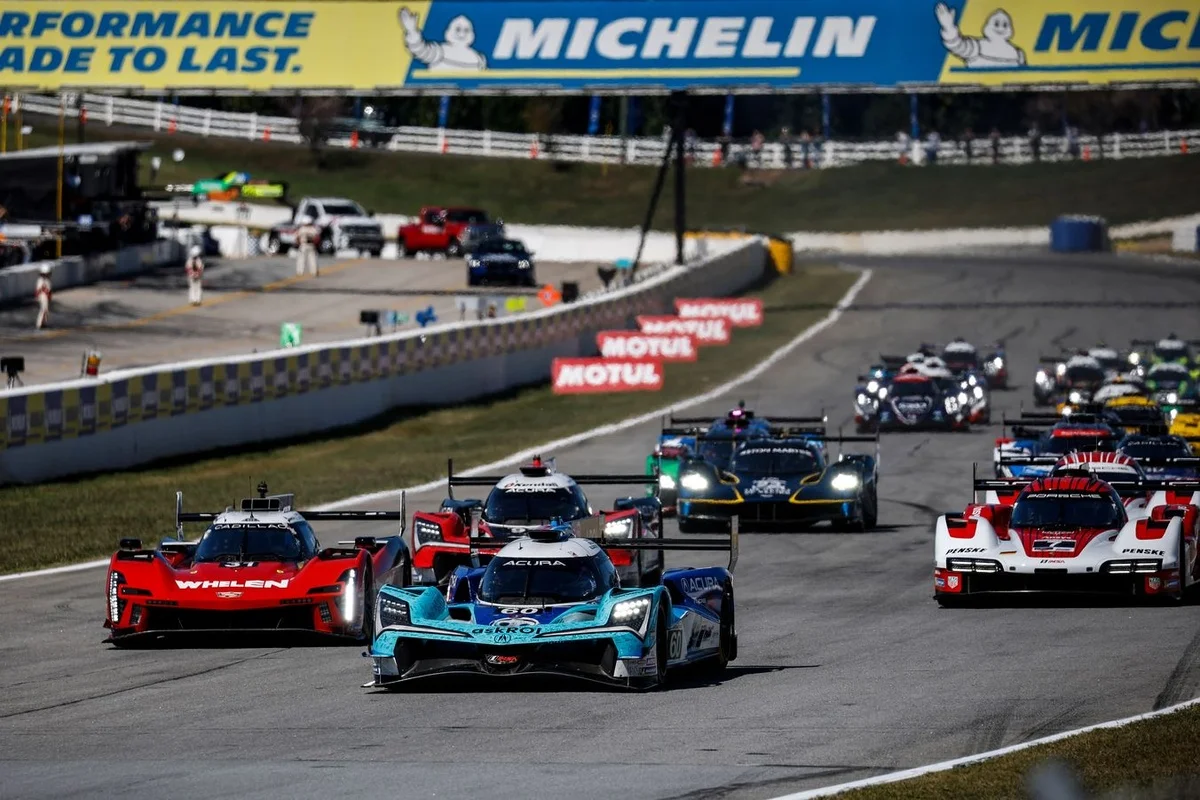
The LMP2 regulations are undergoing a historic overhaul—the first major update since 2017. Ligier and Oreca have been tapped as the sole manufacturers for the new chassis, diverging from the previous setup where four brands were permitted to build LMP2 cars. This shift could be pivotal; the series was initially intended as a robust competition between manufacturers, but Oreca's dominance skewed that balance almost entirely.
Interestingly, while Oreca's 07 model saw soaring sales, Ligier, Multimatic, and Dallara have pivoted their focus towards LMDh vehicles for top-tier championships like the World Endurance Championship and IMSA. The last time a non-Oreca chassis graced the Le Mans 24 Hours was back in 2022 with Ligier's JS P217, a sobering statistic that highlights just how lopsided the field has become.
With the impending return of Ligier, combined with Oreca’s own anticipated customer lineup, the 2028 season may witness a multi-car showdown within LMP2, finally bringing some much-needed competition to the category. What this means for teams and fans alike is an exciting prospect of increased parity—a welcome change after years of dominance from a single manufacturer.Looking Ahead: The Stakes for Ligier and the LMP2 Sector
The news of Ligier announcing their first three customers for the next-generation LMP2 car comes at a pivotal moment for endurance racing. While the immediate excitement of new partnerships is palpable, the implications stretch far deeper. This transition isn't merely about who will drive the next iteration of a racing car; it reflects strategic maneuvers in a fiercely competitive industry.
What’s striking here is the timing. As teams and manufacturers eye advancements in technology and sustainability, Ligier’s early moves suggest they are positioning themselves as a leader in innovation within the LMP2 category. If you're reading this as a stakeholder, it's crucial to pay attention to how these alliances might affect market dynamics. Established brands might find themselves challenged by Ligier's approach, especially if this new car incorporates progressive materials or enhanced aerodynamics that shift the performance balance.
Yet, there’s an undertone of uncertainty. The performance metrics of this next-gen LMP2 remain to be seen. With regulations continuously evolving, there's a risk that these ambitious partnerships could falter if the cars don’t meet competitive standards or if reliability wavers during crucial events. For fans and analysts alike, those questions linger: Will this LMP2 car deliver the promised performance enhancements? Will these customers return for further engagements?
In the grand scheme of the sport, Ligier's moves could set a benchmark for what comes next. Their triumph hinges not just on the technology of the car but on how they can engage customers in demonstrating that technology’s efficacy on the track. Ultimately, as racing enters this transformative era, the outcomes from these new partnerships will resonate across the industry—for better or worse. Keep an eye on Ligier; their next steps might just redefine what we expect from endurance racing.