Graeme Lowdon's unexpected exit from Cadillac Racing raises questions about management dynamics and the team's future strategy in Formula 1.
Graeme Lowdon's Sudden Departure from Cadillac: What You Need to Know
If you’re immersed in the world of motorsport, the recent news regarding Graeme Lowdon's abrupt exit from Cadillac Racing is bound to catch your attention. This isn't just another shift in personnel—a revelation has surfaced. According to Dan Towriss, there’s more beneath the surface of this departure than what has been publicly disclosed.
Lowdon reportedly learned about his exit only on the morning of the announcement itself. This detail paints a concerning picture: was he caught off-guard, or were there deeper tensions at play within the organization? Such last-minute notifications can often signal underlying discord or a lack of communication, raising questions about leadership dynamics and company culture at Cadillac.
For those following the Formula 1 circuit, this incident underscores the complexities governing personnel decisions in high-stakes environments. Towriss's comments suggest it wasn’t a shared decision—this wasn’t a mutual parting of ways as one might hope from a professional team. Instead, it raises questions about the future trajectory of the team and its strategic vision. If you're involved in team management or racing business strategies, you’ll want to keep an eye on how Cadillac addresses this situation moving forward.
This isn't merely a shock to Lowdon; it may also send ripples through the industry. The ramifications could affect team morale and the recruitment of future talent. In competitive fields like racing, how management navigates these tricky waters can often define a brand's resilience and reputation.
Management Shakeup at Cadillac's F1 Team
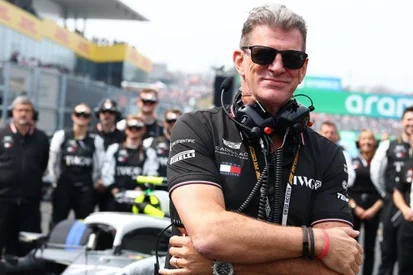
The recent dismissal of Graeme Lowdon as the team principal for Cadillac's Formula 1 division has raised eyebrows. Key details have emerged indicating that his departure was not a joint decision—Lowdon reportedly found out about the change on the morning of his termination. This means the leadership transition was abrupt, leaving fans and industry insiders alike scratching their heads.
Cadillac made headlines with the announcement of Marcin Budkowski, a former executive director at Alpine, stepping in as the new team boss for the remainder of the 2026 season. You might recall that Cadillac, in its inaugural season, has struggled significantly, currently sitting last in the championship standings with no points after eleven races. While this was somewhat on both fans' and analysts' radars—given the challenges of debuting in such a competitive environment—Lowdon's ousting comes as a shock, particularly since he was instrumental in laying the groundwork for the team.
CEO Dan Towriss has taken full responsibility for this decision, emphasizing that the choice was made after extensive consideration of Cadillac's future direction. In a press briefing, he stated, “It was my decision,” suggesting that there was no collective agreement with Lowdon regarding the change. This hints at a deeper strategy shift for the organization as they navigate the complexities of Formula 1 racing.
Towriss described the process leading to Lowdon's firing as something that began months ago, implying a more extensive evaluation of team capabilities and performances under Lowdon's leadership. “It wasn't about an interim situation,” he argued in response to speculation on social media questioning Lowdon's permanent role. Instead, he pointed out that it was a culmination of discussions about performance and future strategies that ultimately prompted the decision.
And yet, the mechanics of such a transition aren't straightforward in the world of Formula 1. As Towriss candidly noted, “There's no easy way to make this transition.” Given the intense scrutiny that F1 teams face, especially in media interactions, bringing in a new leader during a season adds complexity and pressure. He mentioned the destabilizing effect of the change, noting the importance of timing and how swiftly these adjustments can happen.
Overall, the decision seems aligned with Cadillac's longer-term goals in Formula 1, even if it raises a host of immediate questions about team morale and cohesion. With Budkowski now at the helm, many will be watching closely to see how he steps into this high-pressure role and whether he can turn around the fortunes of a team currently enduring a challenging debut.
Here’s where the plot thickens: Towriss has expressed optimism about Budkowski’s leadership—how effective he will be in a struggling team is an open question, but for now, at least, Cadillac appears hopeful about what lies ahead.
Looking Ahead: The Future of the Racing Landscape
As we wrap up our exploration of recent developments in the racing industry, it's clear that the implications of these changes extend far beyond mere headlines. Take Graeme Lowdon's unexpected exit from Cadillac, a situation that Dan Towriss describes as anything but mutual. Such shifts in leadership can ripple through an organization, impacting everything from team dynamics to brand strategy. If you’re invested in this sector, you'll want to keep your eyes on how these moves are interpreted by fans and competitors alike.
The fallout from unexpected departures and leadership changes often reveals underlying tensions that might not be visible at first glance. It's a reminder that the racing world, while dazzling with its high speeds and glitzy events, is fueled by human relationships and corporate strategy. This isn't something to overlook; you may find your own business strategy influenced by similar dynamics, whether you’re managing a team or working within a larger corporation.
Looking forward, one must wonder: will these shifts lead to new alliances or just create more chaos in a sport already filled with unpredictability? What does this mean for teams like Cadillac as they navigate sponsorships, partnerships, and marketing in an era where public perception can change overnight? The stakes are higher than they seem, and keeping track of these developments will be key for industry insiders.
So, as you consider the ramifications of Lowdon’s departure and others like it, think about how these transitions might shape the future of racing and the broader sports industry. Keeping a pulse on these changes could provide critical insights, whether they point to new opportunities or potential pitfalls. The conversation around these topics is just beginning, and active engagement will be essential as we all anticipate the races ahead.