Basketball
Porsche Motorsport Maintains IMSA Commitment Amid Corporate Restructuring
Porsche Motorsport's VP reassures fans of the IMSA program's stability despite corporate changes, reflecting a commitment to endurance racing excellence.
Porsche Motorsport Reassures Stability Amid Corporate Changes
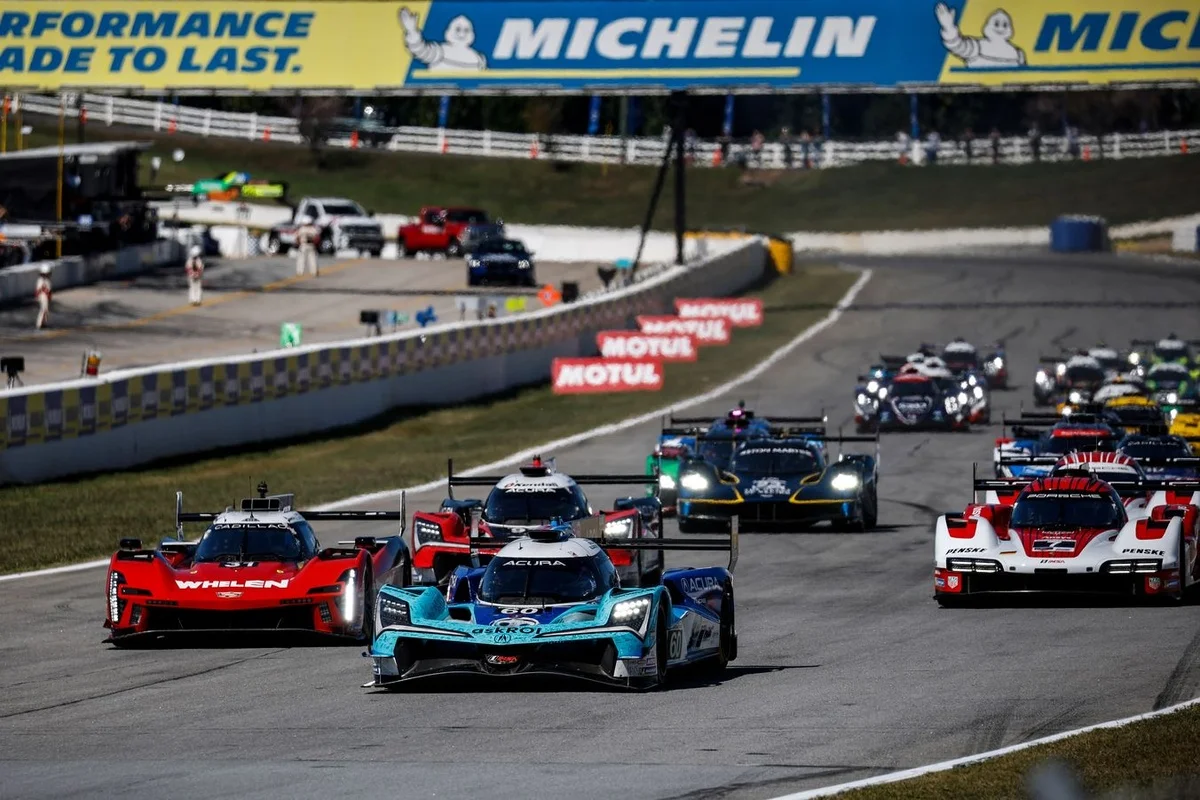
Porsche Motorsport’s Vice President, Thomas Laudenbach, has publicly addressed the future of the brand's IMSA two-car program, reassuring fans and stakeholders that it will proceed without disruption. This assertion comes at a time when the company is undergoing significant restructuring accompanied by substantial budget reductions. Laudenbach's confirmation is not merely a corporate formality; it holds weight as it reflects Porsche's commitment to endurance racing, even amidst the shifting priorities within the broader organization.
In the automotive world, corporate realignments often signal uncertainty for various programs, leading to speculations that can unsettle teams and enthusiasts alike. However, Laudenbach's recent declarations seem aimed at quelling those fears—highlighting that, despite pressures, Porsche Motorsport plans to maintain its competitive edge in the IMSA series. This commitment to continuity in such a prestigious program is more significant than it might initially appear, as it underscores Porsche’s ethos of resilience in racing.
For those invested in the motorsport sector, this stability could indicate a calculated approach from Porsche in its pursuit of long-term success, suggesting a belief that competitive motorsport remains a valuable asset for the brand, even as it navigates corporate fiscal challenges.Despite the turbulent restructuring at Porsche AG, which has been characterized by significant cutbacks and strategic shifts under the "Future Package," Thomas Laudenbach, the head of Porsche Motorsport, assures fans and stakeholders that the brand's commitment to top-tier motorsport remains steadfast. Laudenbach has categorically stated that the dual-car program under Porsche Penske Motorsport for the IMSA GTP series will proceed as planned, defying expectations that broader corporate changes might derail racing ambitions.
Laudenbach's affirmation comes amid an environment where Porsche has committed €2.1 billion (approximately $2.39 billion) towards enhancing facilities at its headquarters in Stuttgart-Zuffenhausen and Weissach through 2035. Yet this investment is underlined by a social contract that will see the reduction of around 5,000 jobs over the next decade, largely via attrition, voluntary severances, and early retirement options. It follows a recent wave of layoffs, including 3,900 positions cut in 2025, and 500 lost due to closures of smaller subsidiaries. These measures clearly indicate a shift in focus towards operational efficiency while maintaining competitive performance in motorsport.
Amid these changes, there has been a notable softening of Porsche's ambitious electric vehicle (EV) targets. Instead of a swift transition away from internal combustion engines, the strategy now incorporates a longer lifespan for both traditional and hybrid powertrains alongside the rollout of electric models. This dual approach raises questions about the future direction of Porsche in a rapidly evolving automotive landscape.
When confronted with how these corporate recalibrations influence motorsport budgeting and strategic direction, Laudenbach maintained that while adaptations are indeed necessary, core decisions regarding racing commitments remain unchanged. "We are evolving," he reiterated, emphasizing that financial considerations are part of ongoing assessments, but they don’t compromise the integrity of existing plans.
In addition, there's a rising anticipation regarding the regulatory shifts set for 2030. The IMSA, ACO, and FIA are pushing towards a unified technical platform for prototype racing, aimed at cutting costs and standardizing regulations across competitions. Laudenbach reassured that despite Porsche’s current absence from the World Endurance Championship (WEC), the brand is actively participating in shaping those forthcoming rules, which could ultimately dictate the future of endurance racing. His commitment to this dialogue signals Porsche's intent to not only be a player but a leader in the evolution of motorsport.
Porsche Penske Motorsport started the season strongly with wins at both the Rolex 24 at Daytona and the Twelve Hours of Sebring, yet Laudenbach emphasized that mere moments of triumph do not suffice for a successful season. "Two wins are not enough," he remarked, underscoring the relentless pursuit of excellence within the team. Despite initial successes, he indicated challenges remain as they adapt to different track regulations and changing performance landscapes, revealing the tough reality they face as they strive for consistency.
While the current victories are significant, they lay a foundation that Laudenbach believes must be built upon throughout the season. He clearly articulated that the team will continue to fight for success, revealing both the ambition and resilience that define Porsche's approach to motorsport.Final Thoughts on Porsche Motorsport's Resilience
As Porsche Motorsport navigates the complexities of corporate realignment, its commitment to program stability shines through. This focus is not just a message but a strategic pivot that signals the brand's dedication to its teams and fans. For those in the motorsport industry, this stance may feel like a reassuring anchor amidst a sea of uncertainty.
Here’s the thing: in an era when many organizations might scuttle their resources in uncertain times, Porsche's choice to reaffirm its programs offers valuable insight. It reflects a deliberate strategy aimed at maintaining not only continuity but also confidence within the motorsports community. This is more than just corporate jargon; it’s a masterclass in brand management in a volatile market.
What does this mean for you? If you're in the racing or automotive sectors, this could inform your approach to stakeholder engagement and investment strategies. The resilience displayed by Porsche may encourage other companies to reevaluate their own commitments and reassess how they communicate stability to their partners and supporters.
And yet, it remains to be seen whether this assurance translates into tangible results on the racetrack. Will this stability enable Porsche to bounce back stronger? Only time will tell. But one thing is clear: loyalty and clarity in messaging can significantly impact an organization's reputation and performance during challenging times.