Ford and McLaren Gear Up for the Hypercar Class
New Contenders Enter the WEC Hypercar Circle in 2027
The excitement surrounding Ford and McLaren's foray into the World Endurance Championship (WEC) is palpable. As both manufacturers set their sights on 2027, they are preparing to make waves in the highly competitive Hypercar class. This move signifies a pivotal change not just for the brands themselves but also for the evolving landscape of high-performance motorsport. Ford, with its storied history in racing, is reviving its commitment to elite competition. Meanwhile, McLaren brings its legacy of engineering excellence and performance. Their entry could potentially reshape the dynamics within the WEC, a series that has increasingly attracted attention with its blend of technological innovation and thrilling races. What’s particularly intriguing is how this shift impacts existing competitors like Toyota and Peugeot, who’ve had a stronghold in the Hypercar arena. If you’re monitoring developments in endurance racing, the addition of these iconic manufacturers could ignite new rivalries and innovation. For those in the industry, this means a potential redefinition of performance standards and technology as Ford and McLaren bring their resources and expertise to the table. As we look toward the future of motorsport, one has to wonder how these developments will influence consumer perceptions and the global automotive market. The move underscores a broader trend of traditional manufacturers looking to leverage racing as a platform for technological advancements in road cars. This isn’t just a matter of winning trophies; it’s about pushing boundaries and creating products that resonate with consumers who demand the best. The strategies Ford and McLaren adopt in the next few years could serve as a blueprint for other manufacturers eyeing similar paths. Keep an eye on how their participation in the WEC evolves, as it promises to deliver not only fantastic racing but also showcase the potential of automotive innovation in real-time.The World Endurance Championship (WEC) is gearing up for a thrilling season in 2027, especially with heavyweight contenders like Ford and McLaren stepping into the Hypercar division. With both brands poised to launch their LMDh prototypes, fans can expect fierce competition as they vie for supremacy on one of the world's most esteemed racing stages.
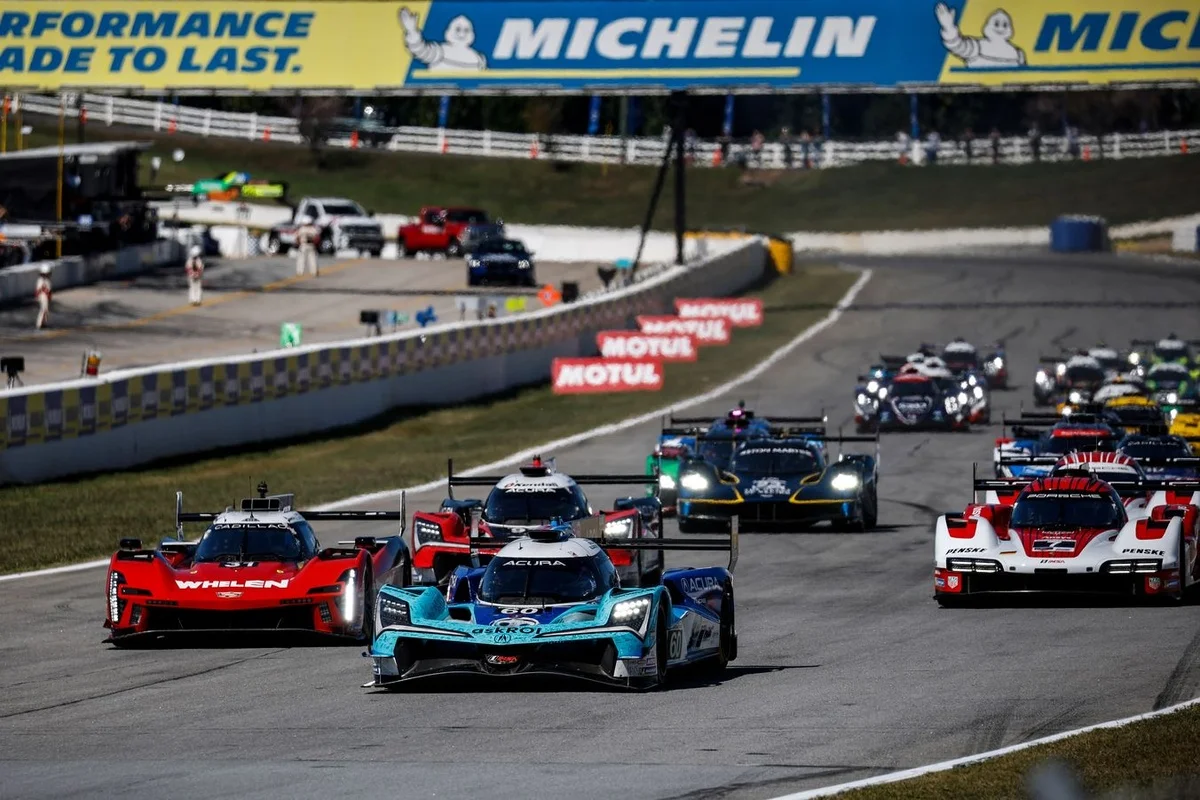
Next year’s Le Mans 24 Hours could see a 10-car showdown, provided all current entrants remain active. This doesn't just signal more vehicles on the grid; it hints at heightened strategies, increased technical challenges, and potentially unpredictable outcomes.
Both manufacturersentering the field hold storied legacies in motorsport. Ford dominated the iconic endurance race in the late 1960s, winning four consecutive times from 1966 to 1969, a feat that ended Ferrari’s long-standing reign. Meanwhile, McLaren made a splash in 1995 when the F1 GTR clinched victory on its debut against specialized prototypes in a rain-lashed race.
Ford's Progress
Model: Unnamed
Regulation: LMDh
Chassis supplier: Oreca
Powerplant: 5.4-litre Coyote V8 with a hybrid system
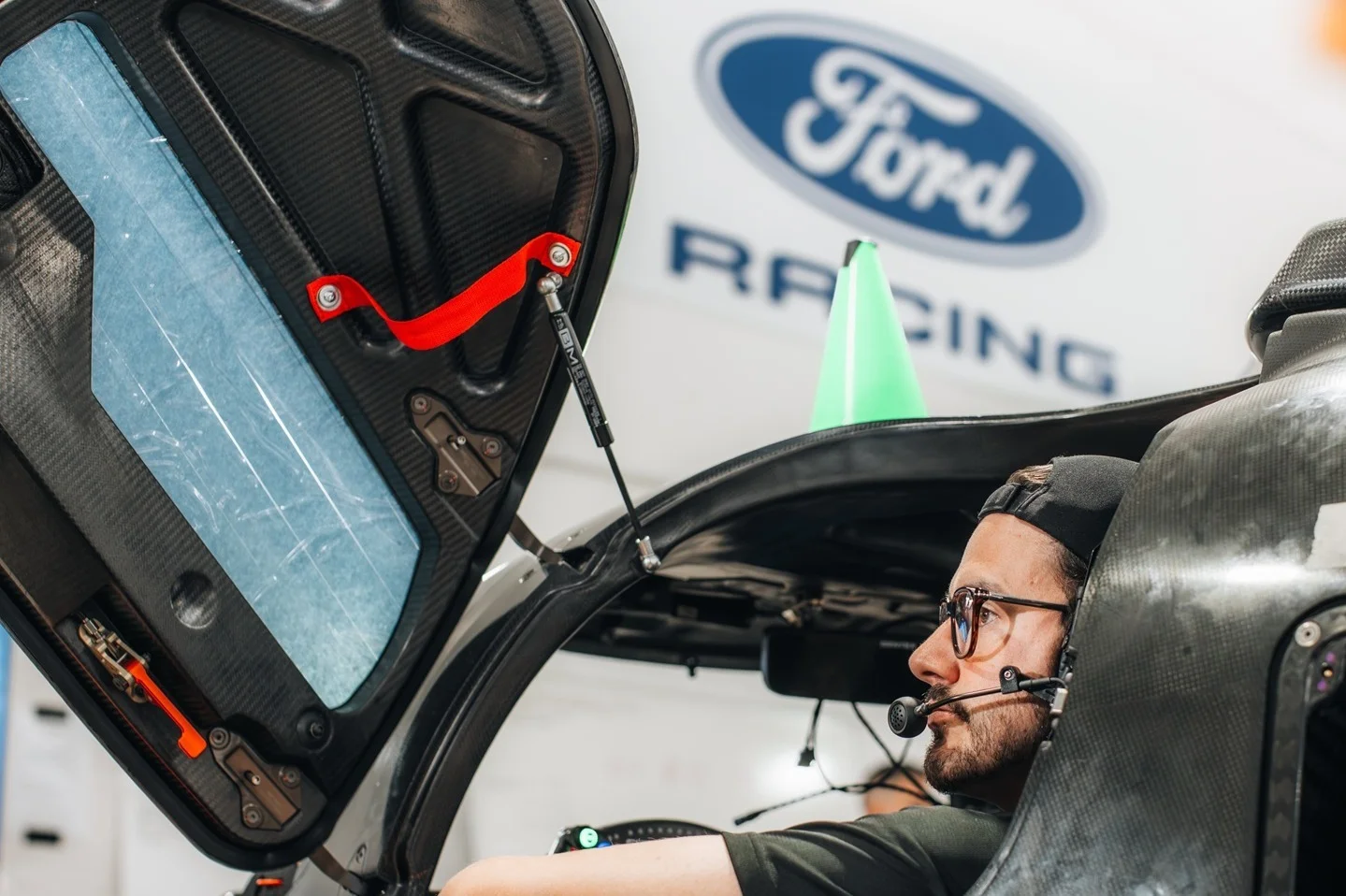
Ford recently achieved a pivotal milestone by starting its V8 engine in a fully assembled vehicle—quite the leap from traditional dyno tests. This groundbreaking phase occurred at Oreca's factory in France, where integration between the chassis and power unit was finalized.
Looking ahead, track testing is set to commence in August, allowing Ford a solid seven months of preparation prior to the WEC season opener in Qatar next March. They’ll begin with a single chassis and plan to expand testing with a second vehicle later. This development approach is consistent with strategies of other competitors aiming for an effective rollout. Meanwhile, Ford has solidified its driver lineup for 2027, featuring Le Mans champion Mike Rockenfeller and up-and-coming talent like Sebastian Priaulx.
McLaren's Strategy
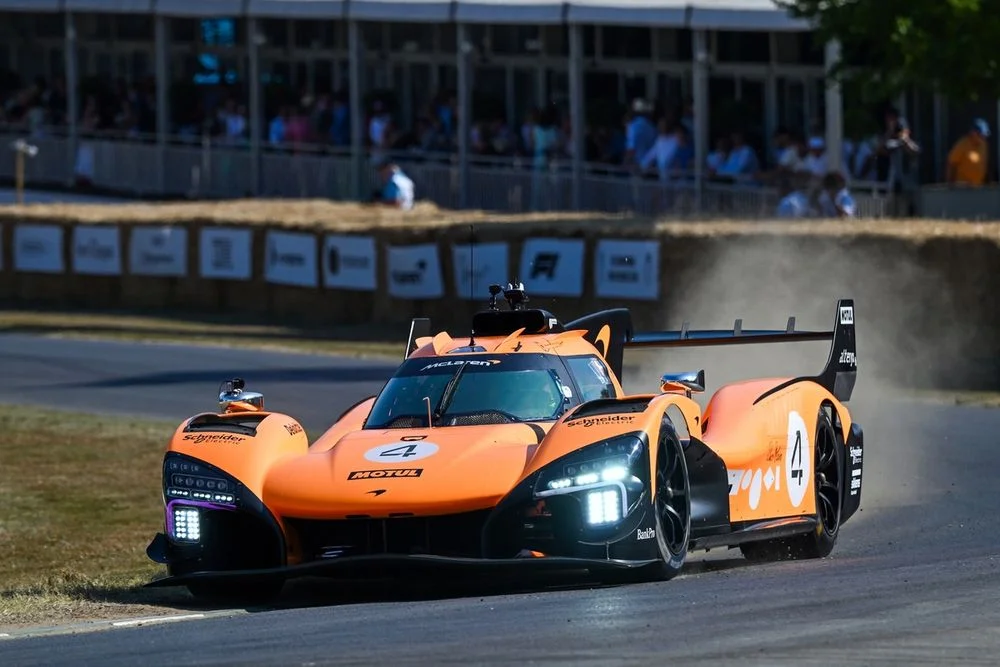
Model: McLaren MCL-HY
Regulations: LMDh
Chassis partner: Dallara
Engine: 3.0-litre twin-turbo V6; spec hybrid system
McLaren is advancing steadily, having already conducted numerous tests with its LMDh prototype based on Dallara’s LMP2 chassis. Their car even made an appearance at the lively Goodwood Festival of Speed, where Gregoire Saucy and world champion Lando Norris shared driving duties. Despite a unique tribute livery in honor of Bruce McLaren, the final design remains under wraps.
Upcoming testing remains a priority as they prepare for official homologation at the Windshear wind tunnel in the U.S. In terms of drivers, McLaren has initially confirmed Mikkel Jensen and Laurens Vanthoor, who is loaned from Porsche. Several other talents have contributed to the testing phase, including Gregoire Saucy and Richard Verschoor.
Over at the McLaren Technology Centre, preparations have ramped up with the installation of a new driver-in-the-loop simulator, courtesy of Dynisma, to enhance driver training and performance analysis.
With James Barclay at the helm, leading from his rich experience including a championship win in Formula E, McLaren's Hypercar team undeniably brings a wealth of expertise to this high-stakes race. The timetable reflecting the duo's significant milestones showcases a calculated approach, where technical advancement and strategic recruitment intertwine as they gear up for their WEC journey.